Explore Spain
Spain Travel Guide
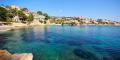
Budget airlines and affordable fares have turned Spain into a beach resort haven for northern Europeans wishing to escape their own damp climates. With sun-bleached beaches and a favourable rate of exchange for most travellers, it's easy to see why.
Some may feel that the Canary and Balearic Islands have been overrun by tourists, and this is true to some extent - Tenerife, Lanzarote and Mallorca have become synonymous with cheap package holidays and warm beer, and Ibiza's reputation has, for some, been tarnished by the revellers frequenting its famous dance clubs and beach parties; however even here you will find many magical, unspoilt corners awaiting discovery.
Spain is comprised of numerous autonomous regions, offering such variation within one country. The hundreds of miles of Mediterranean coastline provide ample opportunity to get off the beaten track, and the country's vibrant cities and colourful festivals will amaze and delight even the most seasoned traveller. There is the Spain of Gaudi, Dali, and Picasso, of Goya and Velazquez - proudly displayed in Madrid's museums and galleries.
Spain's Pamplona is a unique experience of thundering streets that vibrate to the rhythm of man and beast during the annual running of the bulls, and while the whole country celebrates each February with the Carnaval, no place does it better than Sitges. Barcelona is Spain's showcase of the unique architectural style of Gaudi's bizarre organic turrets and balconies. For a more provincial experience, the Valencian town of Buñol goes wild every year with the La Tomatina festival, a time when the region's surplus tomatoes - following the annual harvest - are dumped on the streets and pelted about in a friendly riot.
Spain is also a country rich in heritage and the historic cities of Toledo, Salamanca, Seville and Granada promise a wealth of early Christian and Moorish buildings and monuments, as well as the remains of some incredible medieval sites. Spain has six cities that have been declared Unesco World Heritage sites, more than any other country in the world.
Ronda
Address: Costa del Sol
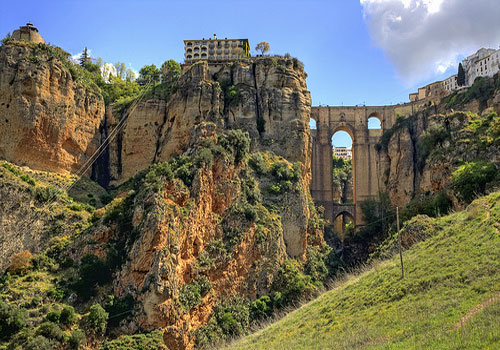
Situated on a towering plateau in the mountains 30 miles (48km) inland from Marbella stands Ronda, one of the loveliest and most historic towns in the region. Ronda is a popular day-trip for holidaymakers on the Costa del Sol wanting to escape the beach and soak up some culture in one of the many cafés and restaurants. It is famous for the plunging river gorge that divides the medieval from the 18th-century parts of the town. Known as El Tajo, the gorge is spanned by a stone bridge, Puente Nuevo, that once housed a prison and now acts as a dramatic viewpoint for visitors. There is a spectacular walkway, El Parador, along the river gorge, which offers superb views of the surrounding countryside. Ronda is also well known for its bullring - the oldest and largest in Spain. When there are no fights, the bullring is open to visitors, and has a fascinating museum.
Granada and the Alhambra
Address: Costa del Sol
Granada, a high altitude city of romance and folklore, boasts one of the most popular tourist attractions in Spain, the Alhambra palace-fortress. Built by the Nasrid rulers in the 14th century the Alhambra is the most important and spectacular piece of Moorish architecture in Spain. The huge complex, set against the backdrop of the Sierra Nevada mountains, includes the summer palace with its fountains and gardens; the Palacios Nazaries with its intricate ornamentation; and a hilltop fortress. The city also boasts a Cathedral containing a Royal Chapel in which Isabel and Ferdinand of Spain lie buried, and a Moorish medina area, known as the Albaicin, with its labyrinth of narrow streets and whitewashed houses. North of Granada is Sacromonte hill, famed for its cave dwellings which were once the home of a large gypsy community. The Interpretation Centre has an Ethnographic Museum detailing the history and culture of the cave dwellers. See www.sacromontegranada.com for more information.
The Prado
Address: Paseo del Prado Madrid
Admission: EUR6; free for under-18s and over-65s; other concessions available. Free for all from 6pm to 8pm Tuesday to Sunday 9am to 8pm
Telephone: 91 330 2800
One of Madrid's world-famous attractions is the 19th century Prado Museum, one of the world's greatest art galleries, with more than 7,000 paintings that include masterpieces by Fra Angelico, Botticelli, El Bosco, Titian, Rembrandt and Velazquez. The museum began as a Royal collection, which succeeding dynasties have added to. The collection naturally focuses on the Spanish masters, particularly Goya, whose exhibited works follow the development of his painting from the sun-soaked early scenes of joyful festivities to the grim madness characterising his 'black period'. The Prado has few equals - whether you are an art lover or not.
Thyssen-Bornemisza Museum
Address: Villahermosa Palace, 8 Paseo del Prado Madrid
Admission: EUR6 (permanent exhibition); concessions EUR4. Free for children under 12 Tuesday to Sunday 10am to 7pm
Telephone: 91 369 0151
The second gallery in Madrid's 'golden triangle' of art museums is the Museo Thyssen-Bornemisza. Housing the former private collection of the Thyssen family, the works were bought by the city of Madrid to enrich its fund of art treasures. The collection, in the restored 18th century Palacio de Villahermosa near the Prado, contains more than 800 paintings, sculptures, carvings and tapestries, ranging from primitive Flemish works to contemporary pieces. Among the highlights are works by Renoir, Durer and Van Eyck. The collection includes some major American works as well.
Reina Sofia National Art Centre Museum
Address: 52 Calle Santa Isabel Madrid
Admission: EUR6; concessions available. Free on Saturdays from 2.30pm to 9pm and Sundays Monday to Saturday 10am and 9pm, and on Sundays between 10am and 2.30pm. Closed on Tuesdays
Telephone: 91 774 1000
The third of Madrid's famed art galleries, the Reina Sofia, is dedicated to 20th century Spanish art, having been designed to give Spain a museum to equal France's Pompidou Centre and London's Tate Gallery. The museum was opened by Queen Sofia in 1986, and is housed in the former Hospital de San Carlos. The artworks displayed here include those of Juan Gris, Salvador Dali, Joan Miro and Pablo Picasso. The star attraction of the museum is Picasso's controversial Guernica, depicting the Nazi bombing of the Basque town in 1937 in support of Franco's cause in the Spanish Civil War. Until 1980 this painting hung in New York's Museum of Modern Art.
Royal Palace
Address: Calle Bailén Madrid
Admission: EUR9, concessions available Monday to Saturday 9.30am to 5pm, and Sunday 9am to 2pm (October to March); Monday to Saturday 9am to 6pm, Sunday 9am to 3pm (April to September)
Telephone: 91 454 8800
The massive bright-white Royal Palace (Palacio Real) on the Plaza de Oriente in Madrid dates from 1734, when the 3,000-roomed royal residence was commissioned by Philip V. It was last called 'home' by the royal family in 1931 - the present king, Juan Carlos, lives in the more subdued Zarzuela Palace outside Madrid. Most of the rooms are now open to the public, and others are used for state business. English tours are run regularly, lasting about two hours, taking visitors to the reception room and state apartments, the impressive armoury and the royal pharmacy. The grandiose state apartments are filled with art treasures, antiques and opulent Rococo décor that could even rival Versailles.
Plaza Mayor
Address: Madrid
Madrid's famous central arcaded square dates from 1619 and was built by Philip III whose statue still stands in the centre of the cobbled expanse. In medieval times the Plaza de Arrabal, as it was then known, was the venue for numerous public spectacles, ranging from knights' tournaments and festivals to the burning of heretics at the stake. Today it remains a public gathering place, but the majority of people who congregate in the sidewalk cafes to sip sangria on summer nights are tourists, enjoying impromptu music performances and watching the passing parade.
Goya's Tomb
Address: Madrid
Admission: EUR2 The chapel is open Tuesday to Friday 10am to 2pm, and 4pm to 8pm, and weekends 10am to 2pm
Telephone: 91 542 0722
The Panteon de Goya is situated in the Glorieta de San Antonio de la Florida and is known as Goya's Sistine Chapel. The artist decorated the dome and cupola of the little chapel with a fresco depicting the miracles of St Anthony, with the use of sponges, a project that took six weeks to complete. Mirrors have been placed in strategic places to provide better glimpses of the art. The chapel also contains the artist's tomb.
Parque del Buen Retiro
Address: Madrid
Admission: Daily 6.30am to 10.30pm
Madrid's lush central park, one of many green spaces in the city, covers 350 acres (142 hectares) and was laid out originally as the private garden of Philip IV. The vast park features formal gardens, statuary, fountains, lakes, exhibition halls, children's playgrounds and outdoor cafes. Visitors can stroll among the trees, admire the rose garden, and take a boat ride on the lake. At weekends the park comes alive with buskers, clowns, fortune-tellers and sidewalk painters.
Toledo
Address: Madrid
The magnificent hilltop city of Toledo, about 43 miles (70km) southwest of Madrid, was immortalised by Spain's renowned artistic genius El Greco in a cityscape that currently hangs in the Metropolitan Museum of Art in New York. The city has changed little since El Greco captured it on canvas in 1597, with its golden spires and Gothic buildings spreading across the Tagus River Gorge, overlooking the plains of New Castille. The ancient city was capital of Visigoth Spain in the 5th and 6th centuries, and as time passed Muslim, Jewish and Christian communities have all left their mark on the city's rich architectural heritage - from the Moorish gate (Puerta de Bisagrai) to the Gothic convent of San Juan de los Reyes. Pride of place is held by the El Greco's 'Burial of the Count of Orgaz' painted on the wall of the Santo Tome. The town's attractions and main street are packed with tourists throughout the summer, but it is easy to escape into one of the enchanting side streets, which wind up and down the hillside.
Monastery of San Lorenzo de El Escorial
Address: Calle Juan de Borbón y Battemberg Madrid
Admission: EUR10 (guided), EUR8 (unguided), concessions available Tuesday to Sunday 10am to 6pm (closes at 5pm October to March)
Telephone: 91 890 5903, or 91 890 5313
The huge granite rectangular edifice, topped with four spiral towers, is a forbidding sight in the town of San Lorenzo de El Escorial about 30 miles (50km) northwest of Madrid. The monastery/church/palace complex was built by Philip II as a memorial to his father, Charles V, and contains some of El Greco's and Hieronymus Bosch's artworks. A vaulted library contains a priceless collection of more than 60,000 ancient books. The monastery itself houses a wealth of paintings and tapestries, and the mausoleum beneath the church's altar serves as a burial place for Spanish kings.
Segovia
Address: Madrid
The ancient town of Segovia, lying on a slope of the Guadarrama Mountains with the confluence of the Eresma and Clamores Rivers below, is a delightful taste of the glorious past of the area known as Castile in central Spain. Segovia is 54 miles (91km) northwest of Madrid and is well worth visiting for its reputation as being the most beautiful city in Spain, awarded a place on the Unesco World Heritage list. The ancient Romans turned the town into a military base, leaving behind Segovia's famous aqueduct which begins nine miles from the city and until fairly recently still supplied the town with water. The other main attraction in Segovia is the fairytale Alcazar, a fortified citadel perched on the edge of town that the Walt Disney castle is said to be modelled on. The town overflows with Romanesque churches, 15th century palaces, narrow streets and small fountain-splashed plazas and is best explored on foot.
La Ramblas
Address: Barcelona
The most famous street in Europe, the wide tree-lined boulevard known as La Ramblas, is a long continuous pedestrian avenue that changes names five times as it cuts through Barcelona's 'old city', the Barri Gotic, from the Placa Catalunya to the city's port. It is lined with cafes, restaurants and shops, and is usually thronged with leisurely walkers enjoying the sights and sounds. Whilst walking around it is worthwhile to note some attractions along the way, including Gaudi's Guell Palace, his first big architectural assignment, and the pretty square, Placa Reial.
Picasso Museum
Address: 15-23 Montcada Street Barcelona
Admission: EUR6 for main exhibition - extra for special showings. Free days on 11 February, 18 May and 24 September Tuesday to Sunday 10am to 8pm
Telephone: 932 563 000
On Carrer Montcada, a street known for its elegant medieval structures, two palaces dating from the 15th century have been converted into the Picasso Museum, home to one of the most complete collections of works from his youth and formative years as an artist. Pablo Picasso spent his early years in Barcelona (between 1901 and 1906), and the museum is now the city's top attraction. The collection includes a number of childhood portraits and paintings, as well as engravings, drawings and art from his Blue and Rose Periods.
Guell Park
Address: Barcelona
Admission: Free Daily from 10am to 7pm (closing times vary depending on the season)
Barcelona's famous architectural son, Antonio Gaudi, left his mark on the city nowhere more prominently than in the gardens of the Parc Guell. The park, sited on Camel Hill offering splendid views of the city, was originally planned to be a garden city suburb, but only two houses were completed before it was turned into a public recreational park. The gardens are festooned with examples of his work, including flights of stairs, columns and a plaza decorated with mosaics. The pink fairytale house standing at the entrance to the park was once home to Gaudi and his niece, but is now a museum containing some Gaudi-designed furniture, décor, drawings and portraits of the architect.
La Sagrada Família
Address: 401 Calle Mallorca Barcelona
Admission: EUR8, lift EUR2. Concessions available Daily from 9am to 6pm (October to March), 9am to 8pm (April to September)
Telephone: 932 073 031
One of Catalonia's most intriguing landmarks, the bizarre Church of the Holy Family designed by modernist architect Antoni Gaudi, was started in 1882, but it remains unfinished and an object of controversy. Gaudi worked on what was considered his masterpiece until his death in 1926, imbuing the structure with his characteristic fantastic Art Nouveau styling. Work has continued sporadically since, but Gaudi left no plans for its completion and the continued construction has run rampant. The church site stands at the junction of Marina and Provenca streets in the central city area.
Montjuic
Address: Barcelona
Montjuic is a hill overlooking the city centre of Barcelona on which are sited some of the city's show-pieces, including the main sites of the 1992 Olympics; the Poble Espanyol (a replicated Spanish village displaying art and architecture); the Joan Miro museum; and the National Art Museum of Catalonia. There are also some leisure attractions and cool green parks festooned with fountains, popular for strolls on summer evenings. The magical fountains of Montjuic are a popular attraction that entertain on summer evenings with displays of light, colour and music. Accessible by cable car from Montjuic the Barceloneta port district is below the hill. This former fishing village is now renowned for its seafood restaurants and beach, which is lined with boardwalks and cafes.
Tibidabo
Address: Barcelona
Barcelona's second landmark hill is Tibidabo, about four miles (6km) northwest of the city in a wooded range that forms a backdrop to the city. Tibidabo can be reached by funicular, and is particularly popular at weekends with locals because it is home to the Parc d'Atraccions, an amusement park with some thrill rides and renowned house of horrors. Tibidabo also features the soaring Torre de Collserola telecommunications tower, which offers visitors the chance to ride in a glass lift to an observation platform 377 feet (115m) high to enjoy a spectacular view. There is also a large, interesting church called Temple del Sagrat Cor surmounted by a giant Christ statue, which also offers a lift to a rooftop viewing platform.
Tarragona
Address: Costa Dorada
The Costa Dorada's main city, Tarragona, has almost doubled in size during the last few decades, its residential districts continually expanding around the medieval core. Tarragona, originally built on a rocky bluff, can trace its roots back to 218 BC, when it was founded by the ancient Romans as a legionnaires military base. Vestiges of its past still remain in the form of ruins of the Roman amphitheatre, aqueduct, forum and other buildings sited on the Paseo Arqueologico (Archaeological Avenue), which leads to some panoramic viewpoints. A wide boulevard called the Rambla Nova represents the modern main street outside the old city walls. A popular outing for visitors is to explore the old harbour, known as El Serrallo, to watch the fishing boats arrive and auction their catch. The city also sports some excellent beaches on its doorstep, including Playa Llarga, regarded as one of the biggest and best on the Catalonian coast. Among the many museums is an archaeological museum devoted to Roman antiquities; the Diocesan Museum displaying Gothic paintings, sculptures and tapestries; and a house museum detailing the life and career of renowned cellist, Pablo Casals.
Montserrat
Address: Barcelona
Admission: Entry to the monastery is free, but the funicular ride to the Holy Grotto is EUR6
One of the most visited sights in Catalonia is the monastery at Montserrat, 35 miles (56km) northwest of Barcelona. The monastery is surrounded by strange rocky crags and caves, and was founded in 1025 to celebrate local visions of the Virgin Mary. It has become one of the most important pilgrimage sites in Spain, sitting atop a 4,000-foot (1,200m) high mountain and housing about 80 monks. Its main claim to fame is a 12th century Romanesque wooden sculpture of a black Virgin Mary known as La Moreneta, which thousands come here to see and touch. The monastery on its mountain perch is reached by cable car.
Tossa de Mar
Address: Barcelona
The medieval town of Tossa de Mar, 56 miles (90km) north of Barcelona, is the most attractive town on the Costa Brava, offering lovely sandy beaches and a lively atmosphere. Once the main port for exporting cork, Tossa is now dependent on tourism. Visitors are drawn to its 12th century walled town, Vila Vella, the ancient walls, battlements and towers enclosing a quaint historical labyrinth. There are four beaches within the town itself and numerous others flanking Tossa on either side.
Girona
Address: Tourist office: 1 Rambla Llibertat (at the eastern end of the old town) Costa Brava
Admission: Tourist office: Monday to Friday 8am to 8pm. Saturday 8am to 2pm and 4pm to 8pm. In July and August the office opens on Sundays from 9am to 2pm as well
Telephone: Tourist office: 972 226 575
The city of Girona, on the route from the Pyrenees to Barcelona, is one of the most important historical sites in Spain, founded by the Romans and later a Moorish stronghold. Sitting astride the confluence of the Onyar and Ter rivers, this quaint medieval city attracts hordes of tourists from the Costa Brava resorts and Barcelona, all lured by the experience of walking through the old quarter, the Call, with its narrow alleyways and ancient stone houses. Inside the ancient walls are such gems as the 12th-century Benedictine monastery of Sant Pere de Galligants and the14th-century cathedral built in the Catalonian Baroque style. The cathedral can be accessed by climbing up 90 steps. It includes a museum containing art works and rare manuscripts. Also of particular interest are the restored 12th-century Arab baths with their central octagonal pool, and the fascinating Jewish quarter where, between the 9th and 15th centuries the culture and religion flourished on the narrow steep streets. The arcaded promenade, the Rambla de la Llibertat, is lined with delightful cafes and shops selling souvenirs, crafts, antiques and curiosities. In addition the city is well supplied with museums and galleries.
Castell de Santa Barbara
Address: Costa Blanca
Admission: Free Daily 10am to 8pm (April to September), 9am to 7pm (October to March)
Telephone: 96 526 3131
The impressive castle that towers over Alicante was originally built by the Carthaginians in 400 BC and later used by the Romans and Moors. The fortress is massive, encompassing moats, drawbridges, tunnels, cisterns and dungeons, not to mention a stately tower and keep. From the top of the castle there is a wonderful view of the bay and city. The castle can be accessed in an elevator from the Explanada d'Espanya.
Museo de Arte del Siglo XX Asegurada
Address: Plaza de Santa María, Alicante Costa Blanca
Admission: Free, guided tours are also available at no cost if booked in advance Tuesday to Saturday 10am to 2pm and 3pm to 9pm (10am to 2pm and 4pm to 8pm from October to May); Sundays 10.30am to 2.30pm; closed Mondays
Telephone: 96 514 0768
In the Plaza de Santa Maria stands Alicante's oldest building, a former granary dating from 1685. Ironically the city's oldest building contains its most notable modern art collection, donated by painter and sculptor Eusebio Sempere in 1977. Among the noteworthy paintings on display are those of Dali, Picasso, Calder and Miro.
Elche
Address: Costa Blanca
For a change from beaches, just 12 miles (19km) inland west of Alicante is Europe's only palm forest, forming a lush oasis around the city of Elche (Elx). The city boasts several beautiful parks and public gardens. The Parque Municipal is one of the most popular, festooned with palm trees, grassy promenades and children's playgrounds. Most beautiful is the Hort del Cura, filled with shade trees and bright flowerbeds.
Isla Tabarca
Address: Costa Blanca
The tiny islet of Tabarca is becoming an increasingly popular day trip destination from Alicante, with its quiet fishing village offering an old fort, several very reasonably priced fresh seafood restaurants, a rocky beach with clear turquoise water, and several coves and tidal pools ideal for bathing. The island lies 10 miles (16km) south of Alicante and can be reached in an hour by ferry from the dock on Explanada d'Espanya in the city.
Cathedral
Address: Avenida de la Constitución Seville
Admission: EUR7.50 Daily 9.30am to 4.30pm (July and August); rest of the year Monday to Saturday 11am to 5pm, Sunday 2.30pm to 6pm
Telephone: 95 421 4971
As a monument to Christian glory, Seville's cathedral has few equals, in fact it is still undecided whether it is the largest church in the world when measured against St Peter's in Rome and St Paul's in London. This massive Gothic edifice took more than a century to build, after a group of religious fanatics decided in 1401 to build a church so wonderful that 'those who come after us will take us for madmen'. The cathedral was built on the site of the Almohad mosque, which was demolished to make way for it, leaving no more than the minaret, built in 1198, known as La Giralda, which is today open to tourists to climb. The interior of the cathedral contains some marvellous sights in its 44 chapels, including mahogany choir stalls made from recycled Austrian railway sleepers. It is claimed that Christopher Columbus' remains are here in a tomb dedicated to him, but there is some controversy over this. Artworks to be seen include gilded panels, glittering icons, and intricately carved altarpieces.
Alcazar
Address: Plaza del Triunfo Seville
Admission: EUR5 Tuesday to Saturday 9.30am to 7pm, Sunday 9.30am to 5pm
Telephone: 95 450 2323
The site of Seville's Moorish Alcazar palace has been occupied by the city's rulers since Roman times, and has been a favoured residence of Spanish kings since the Middle Ages. The palace was built by the Moors in the 7th century, and has been added to and altered by successive occupants ever since. First to enlarge the building was the infamous al-Mu'tadid of the Abbadids, who reputedly kept a harem of 800 women and decorated the terraces with flowers planted in the skulls of his decapitated enemies. Of the early Christian additions most notable is the colonnaded quadrangle of the Patio of the Maids. The golden-domed Salon de los Embajadores was a wing built by Fernando and Isabel, and was where the royal pair welcomed Columbus back after his discovery of America. The palace is set in beautiful gardens.
Santa Cruz neighbourhood
Address: Seville
Visitors usually need to visit a tourist office to obtain a detailed map of the winding alleys, gateways and courtyards of this enchanting and fascinating section of Seville, a former Jewish ghetto, where every street corner has a romantic legend attached to it. The balconies and windowsills are all festooned with flowers and the fragrance of jasmine pervades the air in this picturesque corner of the city, which can be reached via the Calle Rodrigo Caro. Some of the sights to look for are the Hospital de los Venerables, which contains Sevillian art works; the beautiful mansions in the Calle Lope de Rueda; the Convent de San Jose which boasts relics of Saint Teresa of Avila; and the Iglesia de Santa Maria la Blanca which features Murillo's 'Last Supper'.
Museo Provincial de Bellas Artes de Sevilla
Address: 9 Plaza del Museo Seville
Admission: EUR1.50 Tuesday 3pm to 8pm; Wednesday to Saturday 9am to 8pm; Sunday 9am to 2pm
Telephone: 95 422 1829
A restored convent, dating back to 1612 and hidden in a tiny plaza off Calle de Alfonso XII in Seville, houses one of Spain's most important art collections. Highlights here are the religious paintings of Seville's own Esteban Murillo, but the collection also includes other Seville School artists such as the macabre works of Juan de Vales Leal and Francisco de Zurbaran. There are also two paintings by El Greco among the exhibits.
Maria Luisa Park
Address: Seville
Regarded as one of the loveliest parks in Europe, this half-mile area in southern Seville, near the port, is planted with palms, orange trees, elms and Mediterranean pines. Bright and beautiful flower beds vie for the eye with hidden bowers, ponds and pavilions in this little paradise, which was designed in the 1920s and thus reflects a mix of Art Deco and Mudejar styling. The park was originally part of Seville's world exposition, which brought a burst of building and rejuvenation during the 1920s, which included the re-direction of the Guadalquivir River and the construction of some opulent buildings, like the stylish Guatemala building off the Paseo de la Palmera. Also fronting the park is the city's archaeological museum, focusing on the Romans and prehistory of the province of Seville. Near the park is the Royal Tobacco Factory (today part of the university), immortalised by the fictional operatic gypsy heroine, Carmen, who worked there.
Torre del Oro
Address: Seville
Admission: Tuesday to Friday 10am to 2pm; weekends 11am to 2pm
The 'tower of gold', overlooking the Guadalquivir River, was part of the original Moorish city fortification, built in the 13th century, and is believed to have been covered with gold tiles imported from the Americas. The tower has been restored and now houses a maritime museum, which contains drawings and engravings depicting Seville in its heyday.
Guggenheim Museum
Address: 2 Abandoibarra Et. Bilbao
Admission: EUR10.50 (adults), children under 12 are free. Other concessions available Tuesday to Sunday 10am to 8pm (open Mondays between June and August)
Telephone: 94 435 90 80
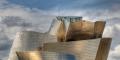
Locals in Bilbao are divided on whether it is a 'beauty or a beast', but the bizarre multi-million dollar Guggenheim Museum, opened in 1997, has brought thousands of visitors flocking to the city to be awed or floored. The massive museum, designed by Frank Gehry has no right angles and resembles a metallic flower, clad in shiny titanium, sited in the former dockyard alongside the Nervion River. Inside, apart from breathtaking spaces, the museum houses the works of some important 20th century artists, including Picasso, Robert Rauschenberg, Andy Warhol, Willem de Koonig and Clyfford Still. There are also sections displaying the work of young Basque and Spanish artists, and rotating exhibits lent by the Guggenheim museums in New York and Venice.
Museo de Bellas Artes
Address: 2 Museo Plaza Bilbao
Admission: EUR5.50 (adults), children under 12 free, concessions EUR4 Tuesday to Sunday 10am and 8pm
Telephone: 94 439 6060
For a more mainstream artistic experience than that offered by the astonishing Guggenheim gallery, the Museo de Bellas Artes in the Plaza Museo fits the bill admirably with some valuable works on display behind an unassuming façade. The museum's impressive collection spans art from the 12th to 20th century, highlights being some excellent Flemish works from between the 15th and 17th centuries. There are also works by El Greco, Goya, Gauguin, Francis Bacon, Picasso and Velazquez. To the rear of the building is a sculpture garden.
Museo Vasco
Address: 4 Plaza Miguel de Unamuno Bilbao
Admission: EUR3, concessions available. Free for children under 10 and senior citizens Tuesday to Saturday 11am to 5pm, Sundays 11am to 2pm
Telephone: 94 415 5423
The Museo Vasco, also known as the Euskal Museoa or Basque Museum, is in the heart of the old quarter of the city, housed in a 17th century Jesuit cloister. The museum depicts Basque culture, history and ethnology, and its exhibits span a wide range of interests including: weaving, the blacksmith trade, pastoral life and maritime matters. The displays offer the chance to dip into Basque political and social life, using everything from model ships to reconstructions of rooms and gravestones.
City Hall
Address: Bilbao
Telephone: 94 445 2828 (Reservations)
Bilbao's elegant city hall in the Plaza Erkoreka Ernesto dates from 1892 and was designed by Joaquin Rucoba with a spire and magnificent façade featuring balconies, columns and a sweeping staircase. The highlight of the interior is the 'Arab Room', an opulently decorated chamber used for civil marriage ceremonies. Guided tours, lasting about an hour are available; these need to be booked in advance by phone.
San Sebastian
Address: Bilbao
The Basque region's most popular beach, La Concha, is to be found in the genteel resort city of San Sebastian, 62 miles (100km) east of Bilbao. The town became fashionable as a summer getaway during the reign of Queen Isabel when she took to holidaying there in 1845. Today the town hums with boutiques, surf-shops and nightclubs, but the elaborate boardwalk and grandiose historic mansions lend an air of sophistication. For a spectacular view of the sea and countryside ride the funicular to the top of Monte Igueldo, or opt for the opposite side of the bay where it is possible to stroll through shady woods to the summit of Monte Urgull, topped with a statue of Jesus blessing the city. The town's Museo de San Telmo, housed in a Dominican monastery, displays some interesting prehistoric Basque artefacts, and a few dinosaur skeletons. The house where Victor Hugo once lived is in the nearby charming fishing village of Pasajes de San Juan, which can be reached by ferry from San Sebastian.
Vitoria-Gasteiz
Address: Bilbao
British visitors are reassured by the presence of a statue of Wellington, the 'Iron Duke', standing on the Plaza de la Virgen Blanca in the city of Vitoria-Gasteiz, 41 miles (66km) south of Bilbao. The statue commemorates Wellington's victory in battle here against Napoleon's forces. The main reason for visiting this Basque city, however, is to enjoy the impressive new contemporary art museum, and soak up some of the charm of this green urban enclave, packed with avenues and parks. There is also an old quarter, full of Renaissance palaces, most of which are now art galleries and museums. The city also has two Gothic cathedrals, one dating from the 12th century and one, modern but designed in Gothic style, still under construction.
Pamplona
Address: Bilbao
Hordes of tourists flock to this town in Navarre, Northern Spain, in early July each year for the Running of the Bulls, officially La Fiesta del Fermin. The festival, in honour of the city's patron saint, was made world famous by Ernest Hemingway in his novel 'The Sun Also Rises', and it has become Spain's most popular attraction. A bust of Hemingway stands outside Pamplona's bullring, where the 8-day extravaganza of dancing, dashing through the streets ahead of rampaging bulls, and drinking begins. The practice of driving bulls through the centre of Pamplona started in the 19th century as the most practical way to get them to the ring, and for many years the city authorities tried to prevent the practice of running with the bulls. Aside from the festival, though, Pamplona is worth a visit any time of year, boasting lush parks, a splendid Gothic cathedral, huge citadel and quaint old quarter. Pamplona is the capital of the province of Navarre, but its roots are Basque and a large section of its population are Basque nationalists.
Catedral El Seo
Address: Placa Almoina, Palma Mallorca
Admission: Tuesday to Friday 10am to 6pm, Saturday 10am to 2pm. Open for services on Sundays
Telephone: 971 723 130
Palma's magnificent Catalonian Gothic cathedral is a landmark of the city, standing in the old town overlooking the ocean. The cathedral is dedicated to Palma's patron saint, San Sebastian, and contains some saintly relics and pieces of the True Cross in its treasury. Construction started on the edifice in 1300. The vast central vault is 144ft (43m) high, its columns towering to a height of 65ft (20m). The wrought-iron canopy over the main altar was added by Gaudi in 1909.
Palau de l'Almudaina
Address: Mallorca
Admission: EUR3.20 (adults), EUR2.30 (children) Monday to Friday 10am to 6.30pm, Saturday 10am to 2pm, closed Sundays (April to September); Monday to Friday 10am to 2pm and 4pm to 6pm, closed weekends (October to March)
Telephone: 971 214 134
Opposite the cathedral in Palma stands an austere fortress palace that was erected by the Moors and later became the residence of the kings of Mallorca. Inside, most rooms and corridors are bare, but there are some beautiful Flemish Gobelin tapestries on display as well as a few antiques, art works and suits of armour. The palace, on the Plaza Reina, is surrounded by a pleasant Moorish-style garden sporting fountains, which offers panoramic views of the harbour.
Castell del Bellver
Address: Palma Mallorca
Admission: EUR1.73 Monday to Friday 8am to 9pm; Sundays 10am to 7pm (April to June, September) and 10am to 2pm and 4pm to 8pm (July and August). Winter: Monday to Friday 8am to 8pm; Sunday 10am to 5pm (October to March)
Telephone: 971 730 657
The round hilltop castle built in 1309 was the summer residence of the kings of Mallorca during the short period in which the island had a Royal family. The fortified castle with its double moat also served as a prison. Today it contains Palma's Municipal Museum, displaying mainly archaeological artefacts and old coins. There are also models of archaeological digs to be seen.
Museo d'Art Espanyol Contemporani
Address: 11 Sant Miquel Mallorca
Admission: Free Monday to Friday 10am to 6.30pm, Saturday 10.30am to 2pm, closed Sundays
Telephone: 971 713 515
Palma's most renowned art gallery contains works collected by the Juan March Foundation, housed in a restored mansion on the Carrer Sant Miquel. The collection focuses on modern works including Picasso's Head of a Woman and paintings by Miro, Dali, Juan Gris and Antoni Tapies.
Banys Arabs
Address: Palma Mallorca
Admission: Daily 9.30am to 6pm
The only remaining complete Moorish-built building in Palma is the bathhouse in the medieval quarter. It contains an elegant horseshoe-arched and domed chamber, supported by 12 columns, and is fronted by a garden with picnic tables.
Beaches near Palma
Address: Mallorca
There are several good, though usually crowded, beaches accessible by bus from Palma. El Arenal, seven miles (11km) to the southeast of the city, attracts many German visitors as is reflected along its waterfront in the signs on restaurants, bars and hotels. The long beach boasts white sands and turquoise water. Palma Nova and Illetes, between six and 10 miles (10-16km) to the southwest, are smaller but equally popular beaches. On the road to Palma Nova is Marineland, offering dolphin, sea lion and parrot shows as well as Polynesian pearl-diving demonstrations. Other beaches include Portixol, El Molinar, Coll d'En Rebassa and Can Pastilla. The most popular beach on the entire island of Mallorca, Es Trenc, on the southeast coast between Cap de Salinas and Cap Blanc, can be reached by bus from the Plaza Espanya in Palma with departures three times a day. The local tourist office distributes an information leaflet on 40 beaches in the Palma area.
Soller
Address: Mallorca
Soller, set in a lush valley of orange groves between the mountains and the sea, half way along the northwest coast of the island, is a popular day-tripper destination because it can be reached on a vintage train ride from Palma. The town is awash with tempting pastry shops, ice-cream parlours and tapas bars in its quaint squares, but there is more to do than just eat and drink. There are some good examples of modernist architecture, like the church of Saint Bartomeu with its 1912 arched tower above a rose window, and needle-like spires. There are also two museums: the Natural Science Museum displaying fossils and the Museu Municipal filled with antiques.
Valldemossa
Address: Mallorca
Admission: Cells open Monday to Saturday 9.30am to 6pm, and Sunday 10am to 1pm
Mallorca's favourite titbit of tabloid gossip has turned the monastery in the small town of Valldemossa, on the west coast, into a tourist attraction. In 1838 Frederic Chopin arrived with his lover, George Sand, to stay in a former monk's cell in the Cartoixa Reial monastery and carry on their affair away from the eyes of Paris. The shocked locals shunned the tubercular Chopin and his lover, and the couple were so unhappy that their relationship never recovered from the wet, windy and miserable winter in the monastery. Today the cells occupied by the lovers are open to visitors. The library and old pharmacy can also be visited and there is a small art museum with works by Picasso, Miro and Juli Ramis.
Lluc
Address: Mallorca
About 20 miles (32km) beyond Soller, after a precipitous drive through the Serra de Tramuntana in the north of the island, is the remote mountain village of Lluc, in a valley that has been an important place of pilgrimage since the 13th century. Lluc became Mallorca's most sacred site when a shepherd boy discovered a dark wooden statue of the Virgin in a cleft in the rock. The miraculous statue returned to its cave three times after being placed in the local church. Now the statue, known as La Moreneta, has been encrusted with precious stones and presides in its own chapel, receiving pilgrims and tourists who come to pay homage each day.
D'Alt Vila (Ibiza Old Town)
Address: Ibiza
The old medieval district of Ciudad de Ibiza (Ibiza Town), the capital of the island, sports narrow cobblestone streets, picturesque whitewashed houses and Gothic buildings around courtyards bright with blooming geraniums and bougainvillea. The old town, enclosed by historic walls and entered through the Puerta de las Tablas, contains some interesting sights, most noteworthy of which is the Archaeological Museum. The museum contains artefacts from prehistoric sites on the Balearic Islands, dating as far back as the Punic period between the 5th and 7th centuries BC. Also in the old town is the cathedral with its 10th-century Gothic tower and 18th-century Baroque nave.
Santa Eulalia del Rio
Address: Ibiza
Santa Eulalia is a pretty, atmospheric little town about nine miles (14km) north of the island's capital, much favoured by tourists because of its proximity to some of the best beaches and for its scenic setting. The town is situated on the estuary of the only river in the Balearic Islands, overlooked by the Puig de Missa, a fortress-church, sited on a hilltop view site. Another attraction in Santa Eulalia is the Sant Carles settlement a few kilometres to the north: the last true 'hippy' commune on Ibiza island remaining from the 1960s when hippy cultists flocked here. The famous Ibiza northern beaches like Aigues Blanques and Cala Llonga, can be reached by bus or boat from the town.
Cova de Can Marca
Address: Ibiza
Admission: EUR5.50 (adults), EUR3 (children) Daily 11am to 1.30pm and from 3pm to 5.30pm, tours depart every half-hour
Telephone: 971 334 776
A few miles north of the village of Sant Miquel, which has an attractive hill-top church and some good tapas bars, is the tourist attraction cave complex of cova de Can Marca. The caves have been commercialised and fitted with some spectacular sound and lighting effects, providing for an entertaining guided tour. The caves are situated atop a rocky inlet and there is a good view from the cave site.
La Salinas
Address: Ibiza
One of Ibiza's famous landmarks are the salt flats, La Salinas, close to the airport on the southern-most tip of the island. The saltpans have been in use for more than 2,000 years, since the earliest colonists, the Carthaginians, traded in the 'white gold' left in the pans when water evaporates in the hot summer months. The sparkling salt lakes provide one of the world's most beautiful sunset photograph opportunities.
Formentera
Address: Ibiza
The tiny island of Formentera covers 35 square miles (90 sq km) and is home to just over 5,000 people. It can only be reached by ferry from Ibiza town, with a regular service running every two hours. The island is a popular day trip from Ibiza, and is relatively unspoilt by tourism development; accommodation options are very limited. The main attractions of this flat piece of land are some pretty villages and marvellous beaches flanked by palms and pines, many frequented by nudists. The best way to explore it is on a rented moped. The main port is La Sabina, and the other villages include beautiful Las Salinas, San Francisco Javier and San Fernando, all featuring quaint white-washed houses. Recommended beaches are Es Pujols in the north, Mitjorn in the south, and Cala Saona in the wild west. Other beaches of note are En Boster, Ca'n Xico Mateu and the natural port of Es Calo. The highest point on the island is in the southeast corner at El Mirador.
Mahon
Address: Minorca
Minorca's capital town, Mahon, is an unavoidable port of call for visitors arriving on the island, and most head for the string of restaurants and cafes that line the harbour frontage. The town itself is sedate and conservative, featuring classic Georgian townhouses (bearing testimony to the British occupation of bygone days) and tall apartment blocks. The town does have some attractions for those interested in making more of their holiday than dashing off to the beach. The mansion house, Golden Farm, overlooks the harbour and was once occupied by Admiral Lord Nelson. Also on the sightseeing list is the Xoriguer Gin Distillery where famed Minorcan gin is produced in an age-old process, and the celebrated huge organ (with more than 3,000 pipes) in the church Esglesia de Santa Maria la Major. The Swiss-made organ was brought to Mahon during the Napoleonic wars and is used during an annual music festival in July and August.
Ciutadella
Address: Minorca
Minorca's second town, the compact port of Ciutadella, is west of the capital and linked to it by the main island road. Ciutadella is very different in character to Mahon, sporting a distinct Moorish and Spanish influence in its Gothic and Baroque grand mansions and palaces. The town does not boast any specific sightseeing attractions but it does offer excellent restaurants, interesting shops and arcades as well as a relaxed ambience; perfect for wandering around. There are also some coves nearby inviting exploration.
Naveta dels Tudons
Address: Minorca
Regarded as the 'cathedral of prehistoric monuments' the Naveta dels Tudons is the best-known sight on Minorca. One of numerous navetas on the island, it is situated just outside Ciutadella on the road from Mahon and stands two stories high, shaped like the upturned bow of a ship. It is accepted that navetas were funereal structures, but they remain surrounded by mystery and legends. Another important ancient sight is the Torre d'en Gaumes, the largest prehistoric village in the Balearic Islands, which is on the south side of Minorca between the village of Alaior and the Son Bou beach. The village features three talaiots (stone towers) surrounded by a defensive wall, pillared naves and a taula (a T-shaped stone temple structure). There is also a dolmenic burial chamber at the site.
Beaches around Minorca
Address: Minorca
Minorca has a variety of beaches and resorts. Fornells, an attractive fishing village on the north coast, is on a spectacular bay ideal for windsurfing and watersports. Close by is the beach Cala Tirant. Cala Galdana is one of the most popular beaches, set in a horseshoe bay, while Santo Tomas with its stretch of golden sand is a small resort favoured by families and honeymoon couples. Son Bou is one of the longest sandy beaches on the island, backing on to open countryside and unspoilt by development, although there are a few shops, bars, restaurants and a discotheque nearby. Binebeca and Binisafua on the southwest coast were Minorca's first resort centres, now mainly residential areas filled with private villas fronting numerous sandy bays.
Museo Canario
Address: 2 Verneau Dr. Gran Canaria
Admission: EUR3, concessions available Monday to Friday 10am to 8pm, weekends 10am to 2pm. Guided tours are available
Telephone: 928 336 800
The main museum in Las Palmas is well worth a visit, boasting the world's largest collection of Cro-Magnon skulls and a few mummies. The museum also gives a comprehensive overview of the life and times of Gran Canaria's original inhabitants, the fair-haired light-skinned Guanche people, who were conquered by the Spanish in the 15th century.
Casa de Colon
Address: Gran Canaria
Admission: Free Monday to Friday 9am to 7pm, weekends 9am to 3pm
Telephone: 928 312 373
Christopher Columbus is believed to have stayed for different periods in the Casa de Colon in the historical quarter of Vegueta in Las Palmas on his way to the Americas. The house now serves as a museum displaying relics of early transatlantic voyages and pre-Columbian cultures, as well as acting as a cultural centre for the study of the Canaries' relationship with the Americas.
Pueblo Canario
Address: Gran Canaria
Admission: Tuesday to Friday 10am to 8pm, Sundays 10.30am to 2.30pm
The whitewashed Pueblo Canario was the pet project of Canarian artist Nestor Martin-Fernandez de la Torre, who conceived and oversaw the creation of this idealised representation of a typical island village in Dorames Park, Las Palmas. Buildings surround a square where performances of traditional folk music and dance take place every Sunday morning. The village also contains the Museo Nestor, in which is housed a collection of the artist's modernist paintings. The village also contains a Bodegon (wine bar) serving local dishes.
Arucas
Address: Gran Canaria
The delightful town of Arucas sits beneath a dormant volcano on the northern coast of Gran Canaria, and is one of the most popular places for tourists to visit. The neat town is dominated by the majestic Church of San Juan Bautista, carved in stone by local workers. The town is also the centre of sugar and rum production on the island and visitors are welcome at the Fabrica y Museo del Ron to witness how sugar cane is turned into rum. It is possible to take a short walk out of the town to the Montana de Arucas viewpoint for a panoramic look at the northern coastline.
Palmitos Park
Address: Gran Canaria
Admission: EUR16 (adults), EUR11 (children) Daily 9am to 6pm
Telephone: 928 140 276
A colourful and entertaining look at nature is presented at Palmitos Park, situated four miles (6km) inland from Arguineguin on the south coast. The park is a subtropical oasis containing thousands of birds, fish, trees, plants and particularly orchids. The orchid house is the largest in the Canary Islands and the range is astonishing. There is a cactus garden too, a huge butterfly house and an aquarium featuring a recreated riverbed. Parrots complete the picture among the lush Canarian flora which fills the park. Due to the devastating fires that swept through Gran Canaria at the end of July 2007, Palmitos Park is closed until further notice.
Teide National Park
Address: Tenerife
Admission: Cable car operates between 9am and 4pm daily, weather depending
The Parque Nacional de las Canadas del Teide was declared a protected area in 1954 and has become recognised as offering one of the most spectacular landscapes of the world, including an enormous volcanic crater with a circumference of 30 miles (48km), out of which rises the highest peak in Spain, Mount Teide. In contrast to the coastal regions of Tenerife, winter in the park, which lies at about 6,562ft (2,000m) above sea level, brings snowfall and gale force winds, while in summer temperatures can soar to above 104ºF (40ºC). A cable car carries visitors to the summit, but many prefer to hike the route to experience the flora and fauna, including rare specimens like the violet of the Teide, the Tajinastes, as well as the many varieties of lizards and birds.
Pirámides de Güímar
Address: Calle Chacona, Guimar Tenerife
Admission: EUR10 (adults), EUR5 (children 9-12) Daily 9.30am to 6pm
Telephone: 922 514 510
On the east coast of Tenerife, south of Santa Cruz, stand six mysterious step pyramids of which archaeologists have yet to discern the origin. The pyramids were initially thought to be just remains of agricultural stone terraces, or random piles of stone cleared from fields by early Spanish settlers. However Thor Heyerdahl, the Norwegian anthropologist who lived in Guimar on Tenerife until his death in 2002, thought differently. His research indicated that the pyramids were constructed on similar principles to those in Mexico, Peru and ancient Mesopotamia. The pyramids are now enclosed in an Ethnographic Park; the site includes a museum, life-size replica of Heyerdahl's reed ship Kontiki, a cafeteria and souvenir shop.
Masca
Address: Tenerife
For scenery a visit to the northwest tip of the island of Tenerife, around the picturesque village of Masca, is hard to beat. The village is set in the Teno Mountains, clinging to the slopes of a deep green ravine beside a narrow road full of alarming hairpin bends. Until recently Masca was off the beaten track and not accessible by road. The zigzag drive from Santiago del Teide has now opened up the village and its magical setting, reputed to have once been a pirate's hideaway. Hikers have popularised a two-hour walk from the village through a gully to the sea at the base of the majestic cliffs of Los Gigantes.
Tenerife Beaches
Address: Tenerife
The volcanic nature of the island of Tenerife meant that the land has few natural beaches. Those that exist are characterised by black shingle stretches created from the island's volcanic rock foundations. The demand for tourist sun-bathing space, however, has led to the creation of resorts and man-made beaches, with golden sand having been imported in some cases. The good beaches on Tenerife for sunbathing and soft sand are Los Gigantes and San Juan in the west and Fanabe, with its soft, yellow sand, showers and other facilities, located to the south. Also popular are Torviscas with its marina, Playa las Americas for its grey sandy stretches, the soft yellow expanse of Los Cristianos' beach, Las Vistas, and Los Cristianos. Candaleria in the east has a small black shingle beach. Up north Puerto de la Cruz has a beach with fine black shingle, but at Santa Cruz golden sand has been imported for its Terasitas beach.
Arrecife Museum of Contemporary Art
Address: Lanzarote
Admission: Free Museum: Monday to Sunday 11am to 1pm; art galleries: Monday to Sunday 11am to 9pm
Telephone: 928 812 321
Modern art in an old building works well in Lanzarote's capital, Arrecife, where a collection of works by international artists is on permanent display in the Castle of San Jose, a fortress built between 1776 and 1779 by King Carlos III of Spain. Some of the artists featured are Bacon, Picasso, Miro, Botero, Damaso and Luis Feito.
Timanfaya National Park
Address: Lanzarote
Admission: EUR8 Daily 9am to 7.45pm
Telephone: 928 840 057
Timanfaya National Park is unique because it is the only national park in the world to have been developed by local residents. Also unique is what the park offers, which includes a volcanic field filled with a variety of geological and geothermic phenomena. In the restaurant visitors can end their guided tour of these wonders by enjoying a meal cooked on geothermal heat emanating from the steam vents and geysers exuding from the lava. The park also features 180 different plant species on its stark landscape.
La Cueva de los Verdes
Address: Lanzarote
Admission: EUR8 Daily 10am to 7pm (last admission at 5pm)
Telephone: 928 848 484
In the northern part of Lanzarote, close to the Monte de la Corona volcano, is a spectacular system of underground grottos known as La Cueva de los Verdes. This is one of the largest volcanic galleries in the world, at just over four miles (six km) long, formed approximately five thousand years ago in a prehistoric eruption when a massive stream of lava boiled down to the sea, hardening around the spaces inflated by gases. More than a mile of these grottos are accessible to visitors, and lighting effects have been added to accentuate the contours and colours of the weird shapes resulting from the lava flows.
The Cactus Garden
Address: Lanzarote
Admission: EUR5 Daily 10am to 7pm
Telephone: 928 529 397
Situated between Guatiza and Mala is an unusual sightseeing attraction that combines art with nature. Artist Cesar Manrique created a work of art in the form of a cactus plantation in an old quarry. The site also features a restored windmill.
Fuerteventura
Address: Lanzarote
If sand and sun is what you are after, then Fuerteventura, second largest island in the Canaries archipelago (but the most sparsely populated) is the place to go. Its whitewashed capital, Puerto del Rosario, is known as the place where goats outnumber its citizens by a long chalk. Other than that however there is not much to the place except for very bleak buildings, which only the most curious visitor may find interesting. What one will find when taking the ferry to Fuerteventura from Lanzarote, is a good beach. Giniginamar is a peaceful spot with black sand fringed by elegant palm trees. There is also a long stretch of golden sand at the mouth of the Juan Gomez ravine on the Jandia peninsula. La Pared in the south has a black pebbly beach with rough seas, and there is the secluded, scenic Ajuy beach near the fishing village of the same name. One can still explore Fuerteventura and find stretches of virgin sand, even in the height of summer. The name, Fuerteventura, most likely derived from the amalgamation of fuerte (strong) and viento (wind), describing the strong off-shore winds that offer cooling breezes for the sun-worshippers.
Terra Mitica
Address: Costa Blanca
Admission: EUR34 (adults); EUR25.50 (children 5-10). A ticket gives free entry to all the attractions and shows for the day. Afternoon and two-day passes are also available Daily 10am to 10pm; 10am to 1am in peak season (June/July)
Telephone: 902 02 02 20
Situated on the outskirts of Benidorm, Terra Mitica is Spain's largest theme park and, with its rides, shows, restaurants and shops, can be a great day out for all the family. Rides like the Tizona, an inverted roller coaster that reaches speeds of 62mph (100kmh) and heights of more than 100ft (31m) with visitors suspended beneath the track, and attractions like Warrior of the Dawn (simulator) provide exhilarating entertainment for all ages.
Pollensa (Old Town)
Address: Mallorca
Situated in the hills, towards the north east of Mallorca, Pollensa is a peaceful old town that has been largely unaffected by tourism. The town was established a few miles inland to protect against any sudden pirate attacks; its harbour, Puerto Pollensa, was left as an unprotected outpost. Today the port has grown into a popular family resort. Some of Pollensa's medieval centre remains around the Plaça Major, the main square, including the church of Nostra Senyora dels Ãngels. From the outside the church is fairly austere, the sheer stone façade is pierced only by a large rose window, but the interior is highly decorative particularly during the packed Sunday morning services when it is ablaze with candles. Other than the church, the main square houses a cluster of bars and cafés, and on Sunday morning, a busy market. Just north of the square is the Via Crucis (Way of the Cross), a long stone stairway, bordered by ancient cypress trees. At the top, in a small chapel, is a much-revered statue of Mare de Déu del Peu de la Creu (Mother of God at the Foot of the Cross). On Good Friday, a figure of Jesus is slowly carried down the steps by torchlight in the Davallament (Lowering). Perched on a hill just south of Pollensa is a rambling 18th-century monastery, a peaceful and serene spot to take in wonderful views of the surrounding area. The monastery is an hour's walk from town.
Arta
Address: Mallorca
The ancient hilltop town of Arta close to the east coast of Mallorca has been occupied for about 3,000 years, and today welcomes visitors to the remains of its Bronze Age settlement at Ses Paisses, just outside the town in a grove of olive, carob and holm oak trees. Arta presents a picturesque sight from the Santuari de Sant Salvador, the chapel-shrine on top of the hill, with its bleached rooftops spilling down the hillside below the battlements of a Moorish fortress. The town is particularly lively on Tuesdays, which is market day.
Sioux City
Address: San Agustín Gran Canaria
Admission: Tuesday to Sunday 10am to 5pm; closed Mondays
Telephone: 928 762 573
One of the most popular days out in Gran Canaria, Sioux City was built originally as a stage set for an American western film in 1972, but developed into a Wild West theme park complete with cowboys, Indians, Mexicans and of course a sheriff. There are shows throughout the day featuring bank robberies, saloon fights, cattle stampedes, rodeos and gunfights at the OK Corral. Between shows visitors can enjoy a barbeque or taste the culinary delights of the Three Star Saloon. Every Friday evening there are barbecue evenings complete with country dancing.
Waterparks
Address: Gran Canaria
Admission: Aqualand: EUR22.50 (adults), EUR16 (children 3-12 years). Aqua Park: EUR 21,50(adults), EUR15,50 (children) ; sunbed EUR2 extra. Ocean Park: EUR10 (adults), EUR5 (children) Ocean Park and Aqualand Aquasur: 10am to 5pm, Aqua Park: 10am to 6.30pm, closing at 5.30pm in winter
There are three water parks on Gran Canaria: Aqua Park in Puerto Rico, and Ocean Park and Aqualand Aquasur, the largest on Gran Canaria, in Maspalomas. All offer enough attractions to keep children and adults amused all day, including dozens of slides and swimming pools. Aqualand also has a wave machine and a 'lazy river' where visitors can float around the complex on an inflatable tyre.
Reptilandia
Address: Parque Rural de Amagro Gran Canaria
Admission: Daily 11am to 5.30pm
Telephone: 928 551 269
Those with a soft spot for reptiles should visit Reptilandia, situated a little off the beaten tack, near Agaete in the northwest of the island. It includes a collection of snakes, tortoises, turtles and lizards - the Komodo Dragon here is believed to be the largest lizard in the world. There are also sections on spiders and monkeys.
Parque de los Cocodrilo
Address: Villa de Aguímes Gran Canaria
Admission: Sunday to Friday 10am to 6pm
Telephone: 928 784 725
This Crocodile Park is home to more than 300 crocodiles and alligators from all over the world. Visitors shouldn't miss the crocodiles' feeding time - at 12pm, 2pm and 4.15pm. The other half of the park is a zoo, which has sections on monkeys and chimpanzees, tigers, jaguars, camels and much more. There is a restaurant in the centre of the park where visitors can see a show where parrots perform various tricks, including doing a jigsaw puzzle and roller skating! The park is near the town of Aguímes, a few miles southwest of the airport.
Alcudia (Old Town)
Address: Mallorca
The ancient town of Alcudia, not to be confused with the modern resort two miles (3km) to its south, has a fascinating and turbulent history. The Phoenicians and Greeks settled here and the Romans made it their capital in the 2nd century BC. Destroyed by the Vandals in the 6th century it was rebuilt again by the Moors before being liberated by King Jaime I of Spain in the early 1200s. The Spanish sensibly fortified the city; its massive city walls date from this era. Today visitors still enter the narrow streets of the old town through one of the two gates, which are guarded by large towers. Near the town, at Polentia, is a well preserved Roman amphitheatre and the Orator de Santa Anna, one of Mallorca's oldest churches.
Port Aventura Park
Address: Costa Dorada
Admission: EUR39 (adult), EUR31 (child) in high season Daily 10am to midnight (earlier off-season). Open on some weekends during winter and closed from 7 January to end of March
Telephone: 0977 779 090
This massive theme park, based on Busch Gardens in Florida, attracts holidaymakers from far afield to its five worlds (Far West, Mediterránia, Mexico, China and Polynesia). Visitors can be at the Great Wall of China one minute and at the ruins of Mayan Mexico the next, and meet some cowboys for a taste of the Far West before cooling off by jumping into the great lake from the summit of the Tutuki Splash volcano. Popular attractions include the Sea Odyssey underwater adventure, the Stampida roller coaster ride and the Grand Canyon Rapids water ride.
Puerto del Rosario
Address: Fuerteventura
The main town of Fuerteventura, Puerto del Rosario on the western side of the island was once called Puerto de Cabras (goat harbour), and even today it is said that goats outnumber people in this whitewashed town. Only recently capitalising on the tourist trade, the streets in charming Puerto del Rosario have been resurfaced and the harbour promenade rebuilt. The main street provides some good souvenir shops and the old harbour area features some attractive examples of Canarian architecture. The home of exiled poet Miguel de Unamuno, which has been turned into a museum, is situated in the harbour area.
Betancuria
Address: Fuerteventura
Admission: The church is open from 10am to 6pm. The museum is temporarily closed for works
The original capital of the island Betancuria was founded in 1405 by Norman conqueror, Jean de Bethencourt, but suffered repeated raids by pirates who eventually totally sacked the city and caused its citizens to move elsewhere. Today it has a small population of a few hundred, and relies mainly on day visitors who come to admire the restored Santa Maria church and explore the Museo Arqueológico y Etnográfico, an interesting museum documenting the history of the island. Visitors can also watch local artists at work at the Casa Santa Maria, and pick up some local handcrafts at a quaint shop. There is a good restaurant beside the church, and cheese and wine tasting is offered nearby.
La Lajita Zoo
Address: Fuerteventura
Admission: 9am to 7.30pm
The little fishing village on the east coast of Fuerteventura has been put on the tourist map because it offers one of the island's main attractions, the 'Oasis de Los Camellos' zoo. The zoo is home to a small selection of animals, but the main activities offered are parrot shows, horse rides and camel safaris. While waiting their turn visitors can relax under the palm trees at the zoo's bar, or try out one of a few seafood restaurants that have sprung up in the village.
La Oliva
Address: Fuerteventura
The village of La Oliva was formerly the home of the military governors of the island between the 17th and mid-19th centuries. The Governor's townhouse has been restored and is open to the public. Also in the centre of the village is the pretty church of Parroquiade Nuestra Seiiora de Candelaria, with a square bell tower and finely carved wooden door. The interior of the church features a painting of the Last Judgment, a baroque altar painting by Juan de Miranda and some wonderful trompe l'oeil work. The village also has an art centre exhibiting the work of Canarian artists.
Beaches on Fuerteventura
Address: Fuerteventura
One does not need to go far on Fuerteventura to find a perfect beach, even if you are intent on seeking out solitude away from other holidaymakers. The best can be found around Jandia, on the southern tip of the island. Juan Gomez is one of these, with a stretch of golden sand, reached by turning off of the Morro Jable-Punta de Jandia road. In the same section of the island is the pebbly black volcanic beach of La Pared, with right next door the beach of Viejo Rey, a long stretch of golden sand flanked by dunes. For real peace and quiet the black volcanic sand of Giniginamar is recommended, surrounded by palm trees and other indigenous plants. For remote beaches tourists can hire a 4WD and explore the tracks leading to the sea on the west coast. Nudism is tolerated on all the island's beaches.
Flamenco at Corral de la Moreria
Address: 17 Calle Moreria Madrid
Admission: EUR29 per show, not including dinner Open daily 8.30pm to 2am
Telephone: 91 365 8446, 365 1137
Listed as one of Madrid's top ten sights, the tablao flamenco (flamenco show restaurant) is renowned as the oldest and most famous show in the world. The establishment draws kings and queens, international presidents, film stars, and well-known artists and writers who come to witness the nightly performances of top flamenco stars while receiving excellent service and dining on exquisite meals prepared by some of the best chefs in Madrid.
Almeria City
Address: Costa Almeria
Telephone: Tourist information: 950 280 748
The ancient Andalusian city of Almeria lies sheltered at the base of a bay, proudly dominated by the amazing Alcazaba, a huge Moorish citadel with three walled enclosures dating from 995. From the citadel visitors have a good view of the city's most impressive and important Christian monument, the Cathedral, dating from 1524, designed more like a fortress than a church because of the need to defend it from pirate attacks. The Cathedral contains numerous art treasures, including a tabernacle dating from the 18th century, designed by Ventura Rodriguez. With its interesting medieval architecture, Almeria's old town is a delight to stroll through with its tranquil squares, archways and colonnades. The city also has a fascinating archaeological museum and unique cave dwellings in the hillside above the old gypsy quarter.
Tabernas
Address: Costa Almeria
Admission: The movie lots are open daily. Times of shows vary
Movie buffs in particular enjoy a visit to the little village of Tabernas, about 16 miles (26km) from Almeria city, set between the Sierra de Alhamilla and Sierra de Filabres in a barren landscape of canyons and rocky wasteland reminiscent of the American Wild West. A few decades ago when Western movies were the most popular Hollywood genre, legendary stars such as Clint Eastwood, Lee van Cleef, Claudia Cardinale and Charles Bronson strutted their stuff here in the dry heat on film sets which fans will recognise from such great films as The Good, The Bad and The Ugly, A Fistful of Dollars and The Magnificent Seven. The movie lots have now become theme park tourist attractions. There are three to visit: Mini Hollywood, Texas Hollywood and Western Leone. All offer a fun day out in Europe's only desert region, with stagecoach rides, live shows, a zoo and the opportunity to quench your thirst in the saloon.
Cabo de Gata Natural Park
Address: The park can be accessed from the village of San Miguel de Cabo de Gata Costa Almeria
Telephone: 950 160 435
A lighthouse stands at the tip of the Cabo de Gata peninsula, north of Almeria city, marking the extremity of Andalusia's largest coastal nature reserve, a fascinating landscape cocktail of arid desert, volcanic mountains, jagged sea cliffs, sand dunes, wetlands, a lagoon and sandy hidden coves. Mountain bikers, hikers, bird-watchers and water sports enthusiasts of all persuasions get away from it all to this natural wonderland which encompasses some quaint fishing hamlets, historic ruins and magnificent stretches of beach.
Vall de Nuria Rack Rail
Address: Vall de Núria Mountain Resort, Queralbs Costa Brava
Admission: Return Ribes-Nuria-Ribes: EUR16.30 (adults), EUR8.95 (children). Return Queralbs-Nuria-Queralbs: EUR13.95 (adults), EUR7.70 (children)
Telephone: 972 732 020
About two hours from the coast are the southern slopes of the western Pyrenees, where in winter skiers skim the sides of the valleys, and in summer time nature-lovers enjoy the tranquillity of the Alpine environment. A popular excursion for holidaymakers on the Costa Brava is to take Spain's only cog railway into the scenic Vall de Nuria north of Girona, surrounded by mountain peaks and passes that form a massive amphitheatre. The rack railway connects with regional trains, departing from the Ribes-Enllac station and travelling to the village of Queralbs.
Salvador Dali Museum House
Address: Portlligat, Cadeques Costa Brava
Admission: EUR10 (adults), concessions EUR8, children under 9 free Open from 10.30am daily, except Mondays and bank holidays (13 March to 6 January). Between 15 June and 15 September no Monday closure and open till 9pm. Visitors must pre-book by telephone, fax or email and are admitted in groups every ten minutes during the day
Telephone: Information and bookings: 972 251 015
The busy fishing village of Cadaques draws plenty of visitors, but they do not come for the local beach, which is narrow and stony. Rather the resort town's attractions are its picturesque natural harbour, some excellent restaurants, numerous galleries, fashion and art and craft shops, and the former home-turned-museum of world renowned surrealist painter, Salvador Dali, sited in Portlligat Bay just to the north of the town. Dali's somewhat bizarre home consists of a labyrinthine cluster of fishermen's huts, added to the original building in various stages by the artist over a period of 40 years. Visitors are conducted through the house and garden in small groups, having pre-booked.
The Medes Islands
Address: Costa Brava
Situated scarcely a mile from the beach of the popular resort town of L'Estartit on the Costa Brava, the protected Medes Islands have been dubbed 'heaven for divers'. The little archipelago of seven islets and a few reefs form one of the most important and rich marine reserves in the Mediterranean. The millions of fish and thousands of animal and plant species that inhabit the shallows, crevices and submarine caves at the base of the island cliffs are a delight to behold for divers of all levels, whether splashing with a snorkel or descending to the depths in scuba gear. Visitors can take glass-bottomed boat trips around the islands departing hourly in season from L'Estartit, or arrange a fully equipped diving trip though one of the numerous tourist diving centres in the resort town.
Banyoles
Address: Tourist Office: 25 Passeig de la Indústria Costa Brava
Telephone: Tourist Office: 972 575573
The historic lakeside town of Banyoles just north of Girona is well known for hosting international rowing events, but it is also a fun, attractive and interesting place to visit and perhaps work off some energy in a pedal-boat or on a bicycle. The bright blue lake itself is the only one in the world fed by two merging subterranean rivers, the clean water flowing in at 600 litres a second. There are numerous options available to those wanting to take to the water, from a swimming dock to cruises or hire boats, and a grassy bank for sunbathers or a network of shady footpaths for those who prefer the shore. The town of Banyoles dates from 812, having grown up around a Benedictine monastery, and its old section is full of fascinating ancient buildings. The natural history and archaeological museums are worth visiting, and all is centred on a lovely arcaded square where a traditional market has been held every Wednesday since medieval times.
City of Arts and Science
Address: 7 Autopista del Saler Valencia
Admission: EUR30.50 (concessions available) Daily 10am to 7pm (2 January to 30 June, and 16 September to 30 December); 10am to 9pm (1 July to 15 September)
Telephone: 902 100 031
The impressive, futuristic landscape of the City of Arts and Science covers a vast area, rising out of a man-made lake, and encompasses various attractions, accessed along a magnificent arched walkway overhung with an array of flowering, aromatic plants and shrubs. The complex includes an Imax cinema, planetarium, and Europe's biggest aquarium. The 'wow' factor is topped off with the fascinating Prince Felipe Museum of Sciences.
El Carmen
Address: Valencia
The picturesque old town of Valencia is the city's favourite 'chill out' zone with its narrow alleyways, honey-coloured buildings, Bohemian atmosphere and nooks and crannies packed with bars and cafes. Apart from being the ideal spot for people-watching, El Carmen also has several interesting attractions, including the remains of the medieval city walls, the gothic towered gates of Torres de Serrano and Torres de Quart, the latter pocked with cannon-ball marks dating from an assault by Napoleon. Also in El Carmen is a convent complex dating from the 13th century, and several museums.
Cathedral
Address: Valencia
It is reputedly the resting place of the Holy Grail, but whether you believe that or not the ornate Valencia Cathedral is worth a visit just because of its unique history and combination of architectural styles. Since it started out in 1262, it has shuffled back and forth from being a mosque to a Christian church, and has been added to accordingly in a variety of styles from Romanesque to Gothic, Baroque and even Moorish. It houses an interesting museum, treasury and the Holy Grail chapel. Most visitors, though, make a pilgrimage to the cathedral simply to climb its octagonal medieval tower, which provides a wonderful panorama of the city if you have the staying power to make it to the top of the winding staircase.
Silk Exchange (Lonja de la Seda)
Address: Plaza del Mercado Valencia
Admission: EUR2, concessions available Tuesday to Friday 9am to 2pm and 4pm to 6pm; Saturday and Sunday 9am to 1.30pm
Telephone: 96 352 5478
Valencia's World Heritage Site is the old Silk Exchange, founded in 1469, copied from a similar structure built in Palma de Mallorca. The crenellated tower and flamboyant Gothic trading hall, regarded as the city's most beautiful building, is now a top tourist attraction, often used for hosting exhibitions. The immensely high vaulted ceiling tops off some rather risqué etchings. A good time to visit is on a Sunday morning when a popular stamp and coin collectors market makes for a lively trading buzz.
Crypt of Saint Vincente
Address: Plaza del Arzobispo Valencia
Admission: Free Tuesday to Saturday 9.30am to 2pm and 5.30pm to 8pm, Sunday 9.30am to 2pm
Telephone: 96 394 1417
It may sound creepy, but it is fascinating to visit the crypt of the Prison of Saint Vicente the Martyr, beneath the Church of Saint Vicente, formerly the site of an ancient Visigoth chapel, which later became a prison for Valencia's patron saint. An audiovisual tour of the crypt brings to life the city's ancient history, taking visitors through Visigoth altars, past exhibits of Muslim artefacts, and Roman murals.
Plaza de la Virgen
Address: Valencia
One of Valencia's loveliest squares, the Plaza de la Virgen is a great place to sit and soak up the atmosphere among the flapping pigeons. In the centre of this square, which was once the site of the ancient Roman forum, a fountain representing the Turia River plays, surrounded by plenty of open-air cafes. On one side of the square is the impressive Gothic façade of the Palau de la Generalitat, seat of government for the Valencia region, and opposite is the Baroque Basilica de Nuestra Senora de los Desamparados, a grand name for a grand church dating from the 17th century and containing fascinating frescoes.
La Pedrera (Casa Milà)
Address: 92 Paseo de Gràcia Barcelona
Admission: EUR8 (adults), EUR4.50 (concessions). Children under 12 free Daily 10am to 8pm. Closed 1 January, 25 and 26 December
Telephone: 902 400 973
Another fantastic construction by the creative genius Antonio Gaudi, Casa Mila, commonly known as La Pedrera, was the last civil work that Gaudi undertook before dedicating all his time to the assembly of La Sagrada Família. The building demonstrates the signature style of Gaudi with elaborate designs, globular shapes, assorted sculptures, colourful tiles and intricate details. Built between 1906 and 1912, the distinct architecture of La Pedrera and her counterparts was unconventional and unheard of in the popular Spanish architecture of the time. Renowned for its attractive rippled façade, visitors to La Pedrera can also witness a spectacular panoramic view from the rooftop as well as some eccentric signature style chimneys.
Barri Gòtic
Address: Barcelona
Known as the Gothic Quarter, the Barri Gòtic is Barcelona's oldest district. A former fortified Roman settlement, the maze of atmospheric narrow streets house spectacular Gothic buildings and cathedrals, marking the city's heyday during the 14th and 15th century. There are many significant sights to visit in this pedestrianised quarter, the most illustrious being the immense Gothic Cathedral La Seu, with its breathtaking façade and serene cloister. With an assortment of shops and delightful sidewalk cafés in a picturesque setting, the Barri Gòtic is a worthwhile day out. To view the remains of this ancient Roman city, Barcino, visit the Museu d'Història de la Ciutat in the Palau Real, where Roman streets are still visible in the extensive cellar.
FC Barcelona Museum and Stadium
Address: Avenida Arístides Maillol Barcelona
Admission: Museum visit and Camp Nou Tour: EUR13 (adults), EUR10.40 (children). Concessions available Open from Monday to Saturday from 10am to 6.30pm (open till 8pm from 14 April to 12 October). Open Sundays and public holidays till 2.30pm. Tours not available on days of league and Champions league matches but museum still open till 1pm
Telephone: 934 96 36 00
FC Barcelona, one of Europe's most loved football teams, has an informative museum with displays of photographs, documents, memorabilia and trophies, covering over a century of club history, that will satiate the fascination of even the most dedicated fan. Visitors also get the opportunity to explore the famous stadium on the Camp Nou Tour which takes fans to the heart of the club, the changing rooms, tunnel and Nou Camp pitch. With a panoramic view of the stadium from the grandstand, visitors can get a taste of the heady atmosphere of a FC Barcelona match on their home ground. The museum also has an official store where club jerseys, caps and accessories can be purchased.
Joan Miró Foundation
Address: Parc de Montjuïc Barcelona
Admission: EUR8 (adults), EUR4 (concessions) Open Tuesday to Saturday from 9am to 7pm (open till 8pm from July to September), Sunday 10am to 2.30pm. Open late on Thursdays till 9.30pm. Closed Mondays
Telephone: 934 439 470
A celebration of the life and work of world-renowned Catalan surrealist sculptor and painter, Joan Miró, the Joan Miró Foundation in Barcelona houses the majority of the artists work including paintings, drawings, sculptures and textiles. Distinguished by his use of primary colours, simple lines and two-dimensional geometric shapes, Miro refused to be categorised into an established art movement and as a result continued to create unparalleled works of art. Another product of original artistic genius from Barcelona, the works of Miró at the Joan Miró Foundation allow visitors to further delve into the unrestrained creative energy of this exceptional city.
Beaches
Address: Barcelona
Many people forget that Barcelona is not only a big bustling city and cultural centre, but that it's bordered by the Mediterranean Sea, awarding the coastline with a string of attractive beaches, an ideal diversion after excessive sightseeing and shopping. Visit the popular Barceloneta Beach only ten minutes from the city centre where there are a selection of beach bars, cool down with a refreshing swim and marvel at the bizarre architecture of Homenatge a la Barceloneta, by Rebecca Horn. For more peace and quiet during the summer season venture a bit further to either Icaria, Mar Bella or Stiges Beach, where the crowds would have dissipated.
Museum of Contemporary Art
Address: 1 Plaça dels Angels Barcelona
Admission: EUR7.50 (adults), EUR6 (concessions) 11am to 7.30pm weekdays, 10am to 8pm Saturdays, 10am to 3pm Sundays and holidays. Closed Tuesdays, Christmas and New Years day. Extended opening hours in summer
Telephone: 934 120 810
The Barcelona Museum of Contemporary Art is situated in the once shabby Raval district just off La Ramblas. Over the years its front plaza has become synonymous with international skateboarders, being fondly known as the famous MACBA, drawing skaters and creatives from around the world to unite against the backdrop of its chic white building. Being a work of art in itself, the Museum of Contemporary Art was designed to monopolise on natural light and the cool airy interiors confidently hold the works of modern art luminaries such as Basquiat, Klee, Tàpies and Barcelò. A perfect union of two art forms, MACBA and her throng of talented skateboarders is a sight to be experienced.
Puerta del Sol
Address: Madrid
One of the most well known plazas in the country, Puerta del Sol is the historical and geographical heart of Spain. Named after Madrid's eastern city gate of the same location, the 15th century entryway was bathed in the rays of the rising sun due its eastern position. Littered with famous landmarks, Puerta del Sol is home to the famous Spanish clock tower whose bell marks the beginning of the New Year. The official symbol of Madrid, the El Oso y El Madroño, a 20-ton statue of a bear eating fruits off a Madrono tree, as well as a large equestrian statue of King Carlos III are also on display. Unmistakable is the luminous Tio Pepe sign, a longstanding hallmark of Puerta del Sol and more discreet is the kilómetro cero marker on the pavement, which signals the official starting point of six of Spain's major highways and symbolically places Puerta del Sol as the centre of Spain, cementing it as a site of many rallies and protests against violence and war.
Royal Botanic Garden
Address: Plaza de Murillo Madrid
Admission: EUR2 adults, children under ten free. Concessions available Daily from 10am to 6pm (November to February), 7pm (March), 8pm (April and September) and 9pm (May to August)
Telephone: 91 420 3017
Located nearby the Prado Museum, the Royal Botanic Garden is one of the oldest botanic gardens in Europe. With the foundation of the garden ordered by King Ferdinand VI in 1755, the Royal Botanic Garden has been cataloguing and nurturing rare species of flora for over 200 years. A welcomed break after hours of art, architecture, and frenetic streets, the garden is a small haven of natural splendour. Divided into three terraces and extending only eight hectares, the garden boasts an array of 30,000 plants and flowers and 1,500 trees. Not only interested in exhibiting plants, the gardens' initial aim was to teach botany, promote expeditions to discover new plant species and classification. Nowadays the Royal Botanic Garden houses a cutting edge research centre, extensive herbarium and large library. Visit the Classical Romantic Garden, Villanueva Pavilion, the Graells Greenhouse and the Exhibition Greenhouse.
National Archaeological Museum of Spain
Address: 13 Serrano Madrid
Admission: Free Tuesday to Saturday 9.30am to 8pm, Sundays and Festivals 9.30am to 3pm
Telephone: 91 577 7912
A worthwhile visit in a country known for its rich history, the National Archaeological Museum was founded in 1867 with the purpose of being a depository for the collection of numismatic, archaeological, ethnographical and decorative art collections compiled by the Spanish monarchs. Situated in a stately neoclassical mansion alongside the National Library, the museum's collection ranges from prehistoric times to the 19th century. One of the major exhibits is the Iberian statue, The Lady of Elche, a carving from the 4th century B.C. found on the southeastern coast of Spain. Other intriguing exhibits are the Islamic collection, outlining the long and influential history of the Moors in Spain and the replica of Altamira Cave, inhabited over 18,000 years ago, with rock paintings picturing bison, horses, boars and human handprints.
Sorolla Museum
Address: 37 General Martínez Campos Madrid
Admission: EUR2.40 adults. Children under eighteen free. Concessions available Tuesday to Saturday 9.30am to 3pm. Sundays 10am to 3pm
Telephone: 91 310 1584
A hidden gem, Sorolla Museum was the home of renowned Spanish Impressionist painter Joaquín Sorolla and his family. Donated to the government in 1929 by Sorolla's widow, the house now operates as a memorial and museum, displaying a large collection of Sorolla's glowing works and other contemporary collections including sculpture, ceramics, furniture and jewellery. A fine example of a bourgeois Madrid home from the early 20th century, the attractive museum has an intrinsic Spanish impression with brightly painted walls and dark furniture. Much of the house remains as Sorolla left it, right down to his stained paintbrushes and pipes. Although known for his portraits of aristocrats, Sorolla's passion lay in depicting the everyday lives of Spanish people, with many paintings depicting Spaniards in their native dress, going to the beach and engaging in work or leisure activities.
Fornells
Address: Minorca
Located in the north, which is known for its unspoilt and very often, deserted beaches, Fornells is a sleepy resort and fishing town. Originally founded to serve the 16th century castle as a defence against the Barbary pirates, all that remains of the military is the watchtower perched upon a hill, which visitors can visit. Fornells' quaint waterfront area lined with shops and restaurants bustles during the summer months, but remains quiet the rest of the year. Travellers can enjoy water sports here, such as windsurfing and scuba divers can enjoy an excursion to the marine park off the north shores and marvel at the magnificent colours and marine life.
Ferreries
Address: Minorca
Surrounded by rolling green hills, the 13th century town of Ferreries lies nestled in the centre of the Minorca next to the island's second highest mountain. With orange tiled roofs and pokey, narrow streets, this little town may not be an obvious attraction, but it's natural charm and location make it a great place to stop to see how real locals live.
Cala n Porter
Address: Minorca
One of the largest coastal developments along the central south coast of Minorca, Cala 'n Porter's picturesque and breathtaking cove and beach keep tourists flocking here throughout the summer season. Famed for its Cova d'en Xoroi, Cala 'n Porter is located on the edge of beautiful sheer cliffs, creating perfect views over the Mediterranean and mind-blowing sunsets. By Minorcan standards, this resort is lively, but visitors should not expect to find pumping clubs and bars like on sibling Baleariac islands Mallorca or Ibiza.
Cova d'en Xoroi
Address: Minorca
Admission: Open daily from 11.30am
Telephone: 971 377 236
Visitors to Minorca cannot leave without making the short trip to the beautiful Cala n' Porter to enjoy the Cova d'en Xoroi (commonly referred to as 'The Caves'), a bar/restaurant perched on the side of a very steep cliff overlooking the sugary white beach and cove of Cala 'n Porter. Located inside a historic grotto, this spectacular location is a must for sundowners and a great place to get into the mood for a Minorcan night out and revellers can enjoy a disco in the famous caves every Friday and Saturday at 11pm.
Cine Aventura Agüí
Address: C/ Alcalde Sainz de Baranda, 26 Madrid
Admission: Monday to Friday, 5pm to 9pm; Saturday and Sunday 11.30am to 2pm and 4.30pm till 9pm
Telephone: 91 400 8237
Cine Aventura Agüí, one of Madrid's charming old movie theatres, has been converted into a play centre for children featuring ball pools, slides and trampolines, as well as a maze and an art area. There is also a small coffee shop in the building for parents to relax at while their kids play.
Parc de La Ciutadella
Address: Avenida del Marques de l'Argentera Barcelona
Located in the centre of Barcelona, the Parc de La Ciutadella is a great place to spend a sunny summers afternoon relaxing under a tree with a book, a picnic and the family. Featuring a lake where visitors can hire a small rowboat, exploring the park and being out on the water is a fun way to unwind. The park also features a fountain, statues, a few museums, and the Barcelona Zoo, which is a good place to head when the novelty of rowing a boat has worn off!
Barcelona Aquarium
Address: Moll d'Espanya del Port Vell Barcelona
Admission: EUR17 (adults); EUR12 (children). Concessions available Open Monday to Friday from 9.30am 9pm; Weekends and public holidays from 9.30am9.30pm and July and August until 11pm.
Telephone: 93 221 7474
Featuring thousands of brightly coloured and exotic fish, the Barcelona Aquarium is a must for children of all ages. Featuring 35 different tanks holding creatures from different oceans, the aquarium houses a Mediterranean tank, tropical tank and an Oceanarium, which is the largest of its kind in Europe and features species such as giltheads, moray eels, sunfish, rays, sand tiger sharks and sandbar sharks.
Port Aventura Theme Park
Address: Barcelona
Admission: EUR44 (adults); EUR35 (children); Concessions available Open 27 March to 1 November from 10am to 8pm. Open intermittently between November and March
Located just under 2 hours outside of Barcelona on the 'Golden Coast', Port Aventura is a popular theme park featuring exciting rides, entertaining shows, restaurants, and much more. Take the kids for a ride on the Dragon Khan, Silver River Flume down the Grand Canyon Rapids. A trip to Port Aventura is a must for children of all ages.
Montjuïc Castle (Castell de Montjuïc)
Address: Barcelona
Admission: Free Open daily from 10am to 7pm. Closed Mondays except public holidays
Telephone: 93 329 86 13
Take the Cable Car up the hill to the Montjuïc Castle and enjoy the view over the city below. During the summer months many families can be found under the shade of a tree with a picnic and there is even a bar serving food, while just down from the drawbridge is a children's playground. The castle is also home to the Military Museum as well as the Museum of Comics and Illustration, a great place for the kids to enjoy looking at the favourite comic book.
Poble Espanyol
Address: Barcelona
Admission: EUR8.50 (adults); EUR5.50 (children); Concessions available. Treasure hunt EUR5 and children must be accompanied by an adult Open Monday from 9am - 8pm, Tuesday to Thursday from 9am - 2am, Fridays from 9am 4pm, Saturdays from 9am 5am and Sunday from 9am to 12am
Telephone: 93 508 6300
The mock village of Poble Espanyol is an outdoor open-air architectural museum featuring over 35 workshops where visitors can see 20 different types of craftsmanship at work. The village is made up of 117 buildings, streets and squares which have been reproduced to scale giving a true feel of a unique Spanish village. Families can enjoy taking part in a treasure hunt.
Safari Park
Address: Carretera de Cadalso de los Vidrios, Navalcarnero, Aldea del Fresno (50km from Madrid) Madrid
Admission: Daily 10.30am to sunset
Telephone: 91 862 2314
A great day out for the kids is a trip to the Safari Park, set in an African-style savannah landscape and home to giraffe, camel, zebra and rhino, as well as some entertaining monkeys. Not to be missed are the daily lion taming shows, and the swimming pool and slide offer a welcome respite after a day of game viewing.
Madrid Zoo and Aquarium
Address: Casa de Campo, s/n 28011 Madrid
Telephone: 91 512 3770
Home to nearly 3,000 animals from all over the world, as well as an impressive aquarium, the Madrid Zoo is a great attractions for kids on holiday in the city. Highlights of the zoo include koala bears and giant pandas, as well as a few ever-odd-looking, long-snouted anteaters - truly interesting and unusual animals that children love to see.
Burrolandia
Address: C/Bravo Murillo, 38 Madrid
Admission: Free (donations welcome) Sundays 11am to 1.30pm
Telephone: 63 005 8428 or 63 996 2728
The Burrolandia donkey refuge, just a short way out of the city, is a great place to take children while on holiday. With upwards of 26 donkeys to take care of, there is always plenty of loving, petting and feeding needed at Burrolandia - definitely a favourite for kids! And the good, clean country air won't do any harm either...
Parque de Atracciones
Address: Casa de Campo Madrid
Admission: EUR9.30
Telephone: 91 463 2900
Parque de Atracciones is a fantastic amusement park in Madrid for kids to visit, offering a number of rides and attractions for all ages. The Virtual Cinema is a simulator with moving chairs that kids will love, and the Spectacle of Sound, Light and Water show's fireworks and lasers are also a favourite.
Karting San Antonio
Address: Ibiza
Telephone: 971 34 38 05
With a range of go-karts ranging from super-fast to tandem, this facility outside San Antonio is an adrenaline-fuelled family excursion guaranteed to get the pulse racing. Full safety equipment is provided. Not suitable for kids under 4.
The Ibiza Express
Address: Ibiza
Telephone: 971 339 772
This mini-train departs from Platja d´Es Canar for a variety of routes around the island. The gentle pace and open sides are ideal for watching the scenery roll by. The train stops off at scenic places for the kids to stretch their legs.
Aguamar
Address: Located 10 minutes from Ibiza town, in Playa d'en Bossa Ibiza
Admission: Open 15th May to 30th September.
This fun filled water park has seven sets of water slides ranging from an eight-line shooter, to the more gentle contours of the single tube. There are also smaller rides and shallow pools for the younger children. A range of fast-food outlets and arcade games rounds out the offering. The kids will love it - but don't forget the sun-screen!
Aquarock Water Park
Address: Cala en Bosc, Ciutadella Minorca
Admission: Water park: EUR17 (adults); EUR11 (children). Go-Karting: EUR15 each Open 10.30am 6pm
Telephone: 971 387 217
Featuring water slides, pools and even a go-karting track, a trip to Aquarock Water Park is a must for families travelling in Minorca with kids. The famous kamikaze slide is a must, little ones can splash in the pools and parents can simply relax in the Jacuzzi. There are also trampolines, mini golf and video games.
Yellow Catamaran Glass-bottom boat
Address: Moll de Llevant, 12, Mahon Minorca
Admission: EUR10 (adults); EUR5 (children) Operates daily with departures every 30 60 minutes
Telephone: 639 676 351
Children will love taking a ride on a glass-bottom boat through Mahon's natural harbour, the largest of its kind in the Mediterranean, and out towards open waters where kids can go down below to look through the boat's glass bottom. The tour features a narration available in a variety of different languages and takes passengers through the harbour highlighting buildings and houses along the way. Passengers can move freely and adults can even make use of the bar. A fun excursion that the kids will love and a great way to see the city from a different angle, a tour on the Yellow Catamaran is a must.
Club San Jaime
Address: Sant Jaume Mediterrani, Son Bou Minorca
Admission: Open daily 10am - 7pm, May to October
Telephone: 971 372 787
Rated as one of the top kids attractions in Minorca, Club San Jaime, located in the beach resort of Son Bou, this water park and play area features slides, pools, waterchutes, and a restaurant. A great day out for the whole family, the children can enjoy splashing around or riding the slides while parents hang out at the restaurant.
Aqualand Mallorca
Address: Palma, Arenal Motorway Mallorca
Admission: EUR22 (adults); EUR15 (children) Open 25 May to 13 September daily from 10am - 6pm.
Telephone: 971 44 00 00
Aqualand is one place that is not to be missed by families on holiday in Mallorca. Children of all ages and parents alike will have a grand time splashing in the pools, riding the slides, floating on tubes or jumping in the wave pools. Rides such as the Kamikaze, Harakiri, Grand Canyon, Anaconda and the Black Hole are great for older kids, while the little ones can enjoy splashing in the shallower waters of the Mini Park and Polynesia.
Marineland
Address: C/Gracillaso de la Vega 9, Costa d'en Blanes Mallorca
Admission: EUR22 (adults); EUR16 (children) From 23th February to 16th November 2009: Open daily from 9.30am 6pm
Telephone: 971 675 125
A must for families travelling in Mallorca, especially with children, is a trip to Marineland, where children can enjoy watching the dolphin and sea lion shows. Marineland also has other attractions including Europe's largest collection of sharks, a parrot circus, aquariums, crocodiles and snakes. Children of all ages will love discovering all the animals and watching the spectacular shows.
Palma Nova Golf Fantasia
Address: Calle Tenis 3, Palma Nova Mallorca
Admission: Open Monday to Friday from 10.30am 6pm; Saturday and Sunday from 10.30am 8pm
Telephone: 971 682 349
With three mini-golf courses set amid waterfalls, caves, lakes and tropical gardens, brimming with animal life, Palma Nova Golf Fantasia is a must for children of all ages and even adults. There's even a 19th-hole snack bar and a games area with coin operated arcade games for kids to enjoy when they feel they've played enough mini-golf.
Aqualand Gran Canaria
Address: Ctra. Palmitos Park, Km 3 Gran Canaria
Admission: EUR25 (adults); EUR17.50 (children) Open daily from 10m 6pm
Telephone: 928 140 525
Aqualand is a must for all families visiting Gran Canaria, especially those with children. A range of slides, pools and rides will keep the kids busy all day long and older children will love the Kamikaze and tornado, while younger tots can paddle in the shallower waters of the Mini Park and Polynesia.
Go-Karting Club
Address: Ctra. Gral. del Sur Km 46 Gran Canaria
Admission: EUR18 Adults); 12 (children) Open daily. Winter: 10am 9pm; Summer: 11am 10pm
Telephone: 928 157 190
Young children will love nothing more than a spot of go-karting and racing their family round the track. Children under five years old can enjoy the Tiny Tots small pitch where they can enjoy battery operated Mini Formulas and Mini-Motos, younger kids can enjoy the junior track and over 16s can feel the thrill of racing at speed of up to 50mph (780kmph).
Holiday World
Address: Avda. Touroperador Tui, Maspalomas Gran Canaria
Admission: Prices start at EUR5 for 10 credits in the funfair
Telephone: 928 73 04 98
Featuring a wide variety of activities, Holiday World is a funpark which caters specifically to children on holiday in Gran Canaria. They can enjoy rides such as bumper cars, a Ferris-wheel, Roller coaster and Pirate ship as well as games such as ten pin bowling. A range of restaurants and fast-food outlets are also available.
Oasis de Los Camellos
Address: Fuerteventura
This animal park in the small village of La Lajita has one of the most important botanical gardens in Europe with over 2,300 varieties of cactus. The local fauna is well represented too, with four demonstrations per day - parrots, snakes, sea lions and birds of prey on display. The park is about preserving and protecting wildlife rather than simply displaying it making this both a fun and educational attraction for the kids.
Baku Water Park
Address: Corralejo Fuerteventura
A perfect day out for the whole family, Baku contains a water park with gentle slides and shallow pools for young children, an animal experience to get the pulse racing, and Parque Europa which opens in the evening offering a range of shows and entertainment.
Quad Adventures
Address: Fuerteventura
Telephone: 928 866 552
Explore the north of the islands on a guided quad bike tour along contoured dirt tracks. This attraction will appeal to older kids although the younger one scan ride tandem with an adult. Safety is high on the agenda so proper equipment and pre-departure training is provided.
Castell d'Alaro
Mallorca's most popular hiking trail is the climb from the town of Alaro up to a ruined castle and hilltop chapel, which offers panoramic views of the sea and plains as far as Palma. From Alaro the walk takes about two hours to complete. The castle ruins on the hilltop date from the 15th century and dominate the landscape. At the summit there is a restaurant and bar to refresh weary climbers. On Sundays the trail becomes rather busy.
Golf
There are four world-class golf courses on Gran Canaria. El Cortijo and was home to the Spanish Open in 2002 and is just outside Las Palmas. The Real Club de Golf is nearby in Bandama and is Spain's oldest golf club, founded in 1891; it is closed to non-members at weekends. The Maspalomas Club de Golf is located close to the sand dunes within a nature reserve, while the newest club, Salobre, is just 10 minutes drive east of Puerto Rico.
Camel rides
One of the most popular activities in the south of the island is a ride around the Maspalomas Dunes on the back of a camel. The trip usually lasts for around half an hour - the camels generally carry two passengers and walk behind one another as part of a 'caravan'. Although camels can gallop at up to 35mph (56kph) they usually go at a more sedate pace. Camel rides can also be enjoyed at Fataga.
Jeep Safaris
The most spectacular scenery on the island can be found within the mountainous interior around Mount Tejeda. Jeep safaris take visitors around this area which has been almost completely untouched by tourism and offers wonderful views over rocky peaks, alpine forests and scenic reservoirs. Full-day tours can be organised in the resorts and leave most days of the week. Be aware of the changeable weather - in winter it can be snowing in the mountains while people soak up the sun on the beaches, up to 6,562ft (2,000m) below. Jeep safaris cost around EUR35 per adult and EUR25 per child.
Boat Trips
Boat trips of all sorts can be arranged from the resorts. The choice of boats is quite extensive, ranging from an all-day booze cruise aboard a 350ft (107m) liner, to smaller cruisers, yachts, catamarans and glass bottomed boats where visitors can take in the marine life below. In addition to cruising around the coast many boats drop anchor and offer swimming, snorkelling and banana boat rides. Jet skis and parasailing can also be arranged. The highlight of any cruise is usually the sight of dolphins playing around the boat.
Big Game Fishing
Gran Canaria is one of the best spots in the world for big game fishing and there are a number of companies competing for business. While blue marlin are the most highly prized trophy fish there are plenty of other species including white marlin, wahoo, dorado, yellowfin tuna, and mako and hammerhead sharks. Regular catches of blue marlin range from 331 to 496 pounds (150 to 225kg) with last year's record standing at 794 pounds (360kg). Trips cost around EUR45 including all equipment, but excluding lunch.
Boat Trips
Boat trips and submarine tours can be organised from Puerto Calero, just outside Puerto del Carmen. Catamarans sail along the coast and drop anchor by one of the spectacular white-sand beaches at the south of the island and offer snorkelling equipment and lunch. Some boats also offer free jet ski rides. Visitors can also take the Submarine Safari from Puerto Calero for a thrilling close-up view of the island's underwater world.
Boat Trips from Tenerife
There are a huge number of companies offering boat trips to tourists and these vary from a 'booze cruise' on a cruiser offering lunch, drinks and watersports to a trip around the island on a sailing boat or catamaran. One of the main attractions is the chance to see whales and dolphins in the wild. Visitors on most trips spot whales; dolphins are not so much of a certainty but are generally seen - often very close to the boat. Trips go from either Puerto Colon in Playa de las Americas, or from the port at Los Cristianos and most operators offer a free bus service from the larger hotels in the main resorts.
Big Game Fishing around Tenerife
The Canary Islands are one of the best spots in the world for big game fishing and there are a number of companies who offer fishing trips in Tenerife. While blue marlin are the most highly prized trophy fish there are plenty of other species including white marlin, wahoo, dorado, yellowfin tuna, and mako and hammerhead sharks. Regular catches of blue marlin range from 331 to 496 pounds (150 to 225kg).
Cruising in Barcelona
Barcelona is a Spain's liveliest city, celebrated for its architecture, two millennia of history, and liberal, fun loving atmosphere. These features, coupled with its position in the heart of the Costa Brava, make Barcelona the cruise capital of the eastern Mediterranean. Big operators such as Crystal, Princess and Costa are based here, departing and returning from Barcelona's Port Vell after cruises taking in the best of southern Europe. In doing so, these vessels are emulating great seafarers such as the Phoenicians and the Romans who plied these waters for centuries. Port Vell is perfectly positioned at the foot of Las Ramblas, the key tourist thoroughfare leading into the city. It's also one of the most modern and well thought-out cruise facilities in the world, with a currency exchange, duty-free shops and restaurants all serving to maximise the comforts of passengers. The cruise ship berthing positions and the old city are linked the Blue Bus. For those wanting to maximise their time exploring the city and beyond, Avis car hire has an office right on the docks near the World Trade Centre building. The port area also has ferries departing for the Balearic Island of Mallorca, Minorca, and Ibiza. For more port information visit http://www.apb.es. Barcelona is packed with attractions such as La Sagrada Familia, Gaudi's famous modernist fantasy church; the maze-like wonder of the medieval Gothic Quarter; the Picasso Museum's astounding collection of Pablo Picasso's work; and FC Barcelona's shrine to football at the Nou Camp. It's worth spending at least three days here, including at least one day to relax and take in the passing scenery at one of Barcelona's famous cafes while enjoying tapas and a jug of ice-cold sangria.
Cruise
A cruise in Spain is a wonderful way for visitors to see Spain's many coastal attractions. Spanish cruise operators offer Mediterranean tours generally boarding in Barcelona and featuring stop-overs in destinations such as Seville, Vigo and Malaga. Other ports of call include Gibraltar, Palamos, Alicante and Bilbao. Visit Els Quatre Gats, Picasso's old stamping ground in Barcelona, or Malaga's 8th century Alcazaba fortress. Corunna boasts the world's oldest working lighthouse, the Hercules Tower, and the Rock of Gibraltar is often en route. The Salvador Dali Museum is definitely an attraction worth disembarking for in Palamos.Most of the cruises available have on-board facilities such as swimming pools, spas and gyms, as well as scuba diving and snorkelling opportunities. The vessels used range from large cruise liners to sailing yachts and riverboats. Aside from the Mediterranean voyages, there are various river cruises available, such as the River Guadalquivir trip from Seville, and the River Guadiana cruise along the Spanish-Portuguese border. A cruise vacation is a fantastic way to enjoy the pleasures of Spain without having to drive anywhere or take tedious bus trips.While a cruise in Spain can be taken at any time of year, the most popular months are from May through to September, when the weather is warm and sailing conditions are at their best. However, the off-peak winter season (November to April) is also pleasant and just as safe, often featuring discounted cruise rates, mild weather and not too many people at the tourist attractions. A cruise of Spain's coastal regions is a very relaxing holiday option.
Botafumeiro
Address: El Gran de Gràcia 81 Barcelona
Food Type: Spanish
One of the most well known seafood restaurant in Barcelona, Botafumeiro consistently presents the finest regional cuisine of Galicia and prides itself on the freshness of its fish, clams, mussels, lobster, crayfish and scallops, which are either kept in large tanks near the entrance or flown in daily from Galicia. The impeccable treatment of customers and the private atmosphere makes this a perfect dining experience for both business and pleasure. Open for lunch and dinner daily. Reservations essential.
Agut
Address: Gignàs 16, Ciutat Vella (Gothic Quarter) Barcelona
Food Type: Local
For almost a century this restaurant has been a family-run business and today the homey atmosphere still welcomes with its old-fashioned wooden panelling, and time-tested culinary fare. Catalán paintings from the 1950s serve as reminders of Agut's time as a meeting place for artists and writers. The hearty food includes such dishes as sweet and sour wild duck, layers of pastry filled with Catalán sausage and mushrooms, or monkfish with prawns, while desserts are light and creative. Not to be confused with the Agut d'Avignon restaurant nearby. Closed Monday; no dinner on Sunday. Closed in August.
Can Majó
Address: Almirall Aixada 23, Barceloneta Barcelona
Food Type: Spanish
On the beachfront, Can Majó serves delicious seafood that can be enjoyed on the outdoor terrace overlooking the Mediterranean. Specialities include paella, but the fish is also superb. Choose from a daily catch including barnacles, prawns, crab, oysters and clams. Reservations required. Closed Monday. No dinner Sundays.
Oviso
Address: 5 Calle de Arai, Placa George Orwell Barcelona
Food Type: Local
One of the many unassuming sidewalk café-bars on Placa George Orwell in the Gothic Quarter, Oviso offers reasonably priced food and an intimate, bohemian ambiance. Good for breakfast or an afternoon snack, this bar restaurant often serves as a place to begin a night out or to end a long day. Great for people watching, Oviso attracts many artists and students and is a good choice for idling away a few hours in a friendly and relaxed atmosphere. Expect to pay only EUR7 for a soup and a main.
Rubi
Address: Calle Banys Vells, 6 bis Barcelona
Food Type: Modern Eclectic
Not called Rubi for nothing, this vibrant restaurant and nightspot is ideal for couples and friends looking for a chic but understated modern restaurant. With bright crimson booths, an elegant bar and high ceilings, Rubi has become one of Barcelona's quintessential nightspots. In true Barcelona style, Rubi is friendly and laid back. Serving contemporary fusion cuisine made from only the freshest produce from local markets, Rubi also bakes homemade breads and deserts. After 11.30pm the restaurant shifts gears and the venue is transformed into a groovy bar with Latin American and funk tunes, heating things up a little. Open for dinner, Tuesday to Sunday.
Viena
Address: La Rambla del Estudis 115 Barcelona
For the best sandwiches in the city, and maybe the country, this hole in the wall take-away sandwich shop doesn't put on airs. Surrounded by fine dining restaurants and elegant tapas concoctions Viena simply and quickly throws together the world's best ingredients between two delicious slices of bread and slides it across the counter.
Ravell
Address: Carrer Aragó 313 Barcelona
Some serious eating goes on here in a little decorated and unpretentious room in back of a delicatessen food store. Using speciality ingredients from around the world, gourmet food never felt so exclusive. Despite a city wide reputation, the tiny restaurant feels like a guarded secret.
Amaltea
Address: Diputació 164 Barcelona
Serving creative vegetarian cuisine, with dishes from all over the world and a keen eye for presentation, Amaltea is a well-known and frequented Barcelona vegetarian eatery. The décor is stylish but down to earth, ensuring that the all the limelight is afforded to the colourful dishes of food that emerge out of the kitchen. For lunch there is a choice of four starters, mains and various house deserts with a fixed menu of EUR10. Open for lunch and supper, Monday to Saturday.
Comerç 24
Address: Carrer Comerç 24 Barcelona
This very trendy tapas hot spot dishes out unordinary treats from the creative direction of Carles Abellan. Unusual food combinations are frothed, seared and caramelised until they compliment one another. The dishes are more of a tasting experience than a full meal but enough of them can add up to an eclectic way to try local cuisine.
Quimet & Quimet
Address: C/Poeta Cabanas 25 Barcelona
This old family run room is not an ordinary tapas restaurant and is one the fly in more ways than one. In a standing room only, perfect for fast eats, the chef rolls out seemingly random, but delicious, concoctions from a huge list of ingredients lining the walls. A superb but also random wine list is best enjoyed quickly with the unique snacks before carrying on one's way.
Restaurante Botin
Address: Calle de Cuchilleros 17 Madrid
Food Type: Spanish
Immortalised by Hemingway's The Sun Also Rises, when Jake invites Brett to Botin for the Segovian speciality, the Restaurante Botin has been catering to guests since 1725. Botin is a family-run restaurant that has spanned three generations, offering friendly customer service. Much of the décor pertains to the original restaurant, from the charcoal hearth to hanging copper pots and an 18th century tile oven. The mixed fish casserole and the grilled filet mignon 'Botin' are excellent, a dessert favourite is strawberries with whipped cream. Open daily for lunch and dinner, reservations recommended.
Zalacain
Address: Alvarez de Baena 4 Madrid
Food Type: Continental
This intimate and luxurious restaurant is decorated in deep shades of red and gold, and furnished in the finest dark wood. The menu offers and array of mouth-watering temptations which include lobster salad with sherry vinegar, followed by duck stewed in port. The chocolate blini with pineapple rounds the evening off nicely. Open for lunch and dinner Monday to Friday, and dinner only on Saturday. Reservations essential.
Jockey Restaurante
Address: Amador de los Ríos 6 Madrid
Food Type: French
Favoured by international celebrities and politicians, Jockey has been serving gourmet French cuisine for over four decades and is dedicated to customer service and quality produce. A recipient of a Michelin star, this restaurant is ideal for a special occasion. Small but sophisticated, Jockey extends over two levels with wood panelled walls, white linen tablecloths and turquoise suede seating. Recommended dishes are the sea bass, lamb a la Provencal and marinated partridge. With a wine list of over 600 wines from across the globe, and a mouth-watering dessert menu, a meal at Jockeys is a wonderful experience. Open Monday to Saturday for lunch and dinner, reservations recommended.
Taberna La Bola
Address: Calle de la Bola 5 Madrid
Food Type: Spanish
La Bola is one of the last restaurants in the city to don a blood red façade, initially operating as a wine shop in 1802. This family-owned restaurant has been passed down over seven generations and continues charming visitors with its 'olde worlde' décor of velvet, Spanish tiles and lace curtains. La Bola guarantees affordable prices and homemade dishes, packed with flavour. House specialities include Madrileña-style stew and roast lamb. Open Monday to Saturday for lunch and dinner, and Sunday for lunch only. Reservations recommended.
Wagaboo
Address: Calle Gravina 18, Chueca Madrid
Food Type: Café
A modern restaurant that offers cool interiors, tasty food and attentive service, Wagaboo is a good bet for lunch or dinner in Madrid. Specialising in pasta and noodles, Wagaboo has a great selection of contemporary Italian and Asain cuisine. The stylish industrial interior of exposed brick and piping is complimented with chic lighting, red leather seating and shiny dark wood tables. Contemporary art and photography adorn the walls, and the glassed-in kitchen allow patrons to see the pasta and noodles being made. Try an Asian stir-fry or the pizza with pesto, cherry tomatoes, arugula, feta and parma ham. Open for daily lunch and dinner.
La Broche
Address: Calle Miguel Angel 29-31 Madrid
Food Type: Modern Eclectic
With two Michelin stars and a white minimalist setting, designer cutlery and large windows looking onto the street, La Broche has been designed so that the only colour in the restaurant is the food. A perfect location for a special celebration, La Broche's menu offer a variety of haute cuisine, from freshly baked bread placed on the table with four different olive oils to a carpaccio of wild mushrooms or escargots and salmon risotto. Don't forget to look at the dessert menu! Open Tuesday to Friday for lunch and dinner, dinner only on Monday and Saturday. Reservations recommended.
Bazaar
Address: Calle Libertad 21 Madrid
Food Type: Mediterranean
Bazaar serves creative Mediterranean food in a trendy environment. Priding itself on fresh produce and modern cuisine, Bazaar offers dishes such as thinly sliced tuna with mango chutney, or tender ox with parmesan and rocket. With oils, wines and various fripperies on display, Bazaar has an initial delicatessen feel to it. Follow the large staircase to the dining area with cream leather banquettes, and windows overlooking the streets of Chueca - ideal for people watching. The menu is displayed as a list of dishes with no definition between starters, mains and desserts. There is a wide-ranging wine list. Open Monday to Saturday for lunch and dinner, reservations recommended.
Chic Restaurante
Address: Calle Campomanes 5 Madrid
Food Type: Local
Situated oppostie the Royal Opera House, Chic serves seasonal cuisine with a daily menu featuring only fresh produce and innovative combinations. Set in a long, low-lit cellar, the restaurant is made of up three rooms - the cool bar area with fresh colours, the first dining area with cream walls and crimson tablecloths, and the second dining area with olive green walls, exposed brick and white linen tableclothes. To compliment the Iberian nouvelle cuisine, there is a selection of wines from the cellar and tapas snacks. Open daily for lunch and dinner.
Casa Paco
Address: Puerta Cerrada 11 Madrid
Food Type: Local
Maintaining its old world charm, quality dishes and unpretentious ambiance, Casa Paco has been a favourite of Madrilenos for over thirty years. A superb steak house, meat at this taverna is ordered by weight and the Casa Paco Solomilo (fillet steak) is a firm favourite. For those after something lighter, the sole and baby lamb are also first-rate dishes. The tiled dining room and traditional décor at Casa Paco add to the homely atmosphere, as does the old fashioned bar, natural sidra (cider) and conscientious service. Open Monday to Saturday for lunch and dinner.
Café Balear
Address: Sagunto 18 near Plaza de Chamberi Madrid
Food Type: Mediterranean
For the best paella and a quality selection of cavas (Catalan champagne-type wine) that compliment this traditional dish, Café Balear is the place. The elegant dining room is simply decorated with white linens and curtains, lifted by art prints and potted palms. Try the stuffed aubergines a la Mallorquina, or perhaps the vegetarian paella with fresh ginger. Attentive staff and a friendly atmosphere add to the appeal of this lovely restaurant. Open daily for lunch and dinner.
Trip Tools
Personalise this page
- London:
Voltage230 VFrequency50 Hz
- New York City:
Voltage120 V Frequency60 Hz
- Hong Kong:
Voltage220 V Frequency50 Hz