Mexico Travel Guide
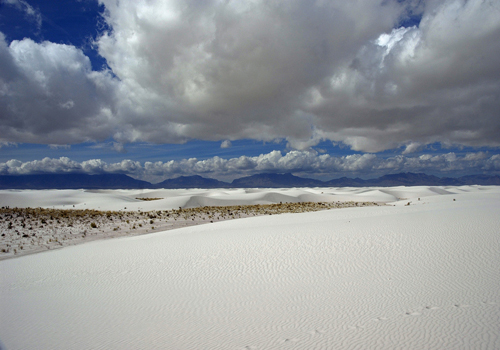
With a Native American heritage and a distinct Spanish flavour, Mexico is vibrant, colourful and unique. Its varied terrain ranges from cactus-studded deserts to white sandy beaches and blue waters, tropical rainforest and jungle-clad hills to steep rocky canyons and narrow gorges, and from snow-capped volcano peaks to bustling cities.
Since the height of Mayan and Aztec civilisations, Mexico has suffered the destructive force of the Conquistadors, European colonial rule, civil and territorial wars, rebellions, dictatorships, recessions and earthquakes. Yet its people remain warm and friendly, much of the countryside remains unspoilt by development, and its cities display a unique style of architecture. The extraordinary history is reflected in the ancient Mayan temples strewn across the jungles and ruins of Aztec civilisations, rural indigenous villages, Spanish colonial cities and silver mining towns, and traditional Mexican ports.
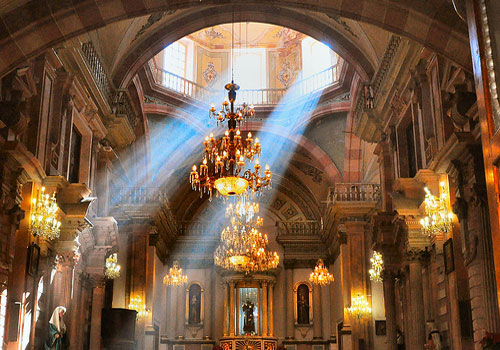
Buildings display a unique combination of colonial and pagan architecture, blending together Art Nouveau, Baroque, Art Deco and Native American design into the structure of their churches and public structures. The country's culture displays a similar blend of the traditional and modern, where pagan meets Christian in a series of festivals, or fiestas throughout the year.
Besides a combination of unique culture and fascinating cities, Mexico also boasts several hundred miles of coastline extending down through both the Pacific and the Caribbean, which has branded the country as a popular summer retreat destination. Beach resort cities such as Acapulco, Cancun and those of the Baja California peninsula are accepted vacation havens. The countryside is also rich in archaeological treasures with pyramids, ruins of ancient cities and great stone carvings of ancient gods standing as testament to a country once ruled by the Aztecs and Mayans.
Sierra de la Laguna Biosphere Reserve
Address: Baja California
The mountains south of La Paz provide a rugged home for an incredible diversity of animal and plant life, many of the species endemic. The mountain lion is the largest predator, but more commonly seen are the coyotes and foxes, as well as smaller mammals such as kangaroo rats, desert mule deer, gophers and badgers. This magnificent area was declared a Biosphere Reserve in 1994 and is sparsely inhabited, attracting hikers, mountain bikers and naturalists. It is an ecological treasure house where cacti, palms and pine trees grow side by side and rock pools form underneath towering granite boulders. Several well-known hiking trails traverse the mountain range.
El Zócalo
Address: Mexico City
In the middle of the city's historic centre is the enormous paved Plaza de la Constitución, or Zócalo, the second largest city square in the world, and Mexico City's centre of government and religion. The Presidential Palace dominates one side of the square, a magnificent colonial building that was built on the site of the former Aztec Palace, with remarkable interior murals narrating the story of Mexico's history. Dominating an adjacent side of the square is the great Metropolitan Cathedral, displaying a wealth of architectural styles and occupying the site of the once sacred grounds of the Aztec. The ornate interior contains its chief treasure, the King's Chapel and gilded altar. The Cathedral is one of the buildings subsiding into the soft ground on which the city is built and builders are continuously at work to prevent its uneven descent. The square itself is filled with activity, with vendors and buskers, informal traditional Aztec dance performances, family groups, workers on lunch break and passing tourists. It is also the place for demonstrations, government rallies and protest marches, as well as festivals and public holiday events. Every evening the presidential guards, in a show of great ceremony, lower the national flag from the central flagpole. And encircling the square is the continuous buzz of the ubiquitous green Volkswagen taxis.
Templo Mayor
Address: Seminario 8, Historical District Mexico City
Admission: Museum: $45 (adults), children under 13 free Tuesday to Sunday, from 9am to 5pm
Telephone: 542-02-56
Templo Mayor (Great Temple) was the principal temple of the Aztecs, believed to mark the centre of the universe. It was part of the sacred complex of the ancient city of Tenochtitlán, and today it has been excavated to show the multiple layers of construction, viewed from a raised walkway with explanatory material available. The temple was first built in 1375, and enlarged several times, each rebuilding accompanied by a frenzied bloody sacrifice of captured warriors to rededicate the sacred area. At the centre is a platform on which stands a sacrificial stone in front of the shrine to the tribal god, Huizilopochtli. Within the site is the excellent Museo del Templo Mayor, a museum displaying artefacts from the original site and providing an overview of Aztec civilisation. The most important display is the first artefact to be discovered on the site, the great wheel-like stone carving of the Aztec goddess of the moon, Coyilxauhqui.
Palacio de Bellas Artes
Address: Eje Central Lázaro Cárdenas and Av. Juárez Mexico City
Admission: ($3) Adults Tuesday to Sunday 10am to 6pm
Telephone: (01)5512 3633
Situated at one end of the Alameda Central that was once an ancient market place and is now a large park, is the splendid white marble structure of the Palacio de Bellas Artes (Palace of Fine Arts). A concert hall and an arts centre, it houses some of Mexico's finest murals and the Art Deco interior is worth seeing alone. The Palacio has two museums: the Museo del Palacio de Bellas Artes and the Museo de la Arquitectura. The art museum's collection includes over 6,000 paintings, sculptures and engravings from 1650 to 1954 with masterpieces by prominent Mexican artists such as Diego Rivera, David Alfaro Siqueiros and Rufino Tamayo. One of the highlights of the Palacio is the theatre's stained glass stage curtain, which is lit before performances and for public viewing. The Ballet Folklorico performs here every Wednesday and Sunday.
Bosque de Chapultepec and the Museo Nacional de Antropología
Address: Avenida Paseo de la Reforma and calzada Ghandi, Chapultepec Park, Mexico City Mexico City
Admission: Museum: $51 (adults), children under 13 free. Free admission on Sundays to Mexican citizens Tuesday to Sunday 9am to 7pm
Telephone: (01)55 531 902
Bosque de Chapultepec is Mexico City's largest park, covering an enormous area containing lakes, the zoo and several museums, including the Museo Nacional de Antropología. The park attracts thousands of people, especially on weekends when families come to picnic, relax in the woods and visit the museums. The huge National Museum of Anthropology is one of the finest of its kind in the world, housing a fascinating collection of pre-Hispanic artefacts, from the first people in the Americas, to the Teotihuacána Empire, the Aztecs and the Mayans. Highlights include the famous Aztec Sun Stone or Calendar Stone found beneath the Zócalo (main square) in 1790. There are also exhibits illustrating the modern way of life in today's indigenous communities.
San Ángel
Address: Southwest of Mexico City Mexico City
Formerly a separate village, San Ángel is one of the more charming of Mexico's suburbs, an exclusive neighbourhood with ancient mansions and colonial houses along cobbled streets. It is famed for its Saturday craft market in the pretty Plaza San Jacinto, which brings colour, crowds and a festive atmosphere to the area, and has excellent art and handicrafts for sale. It is crammed with little restaurants and cafes, offering the city's best dining experiences, albeit expensive. There are several museums of interest, including the Studio Museum of Mexico's famous pair, the artists Diego Rivera and Frida Kahlo.
Zona Rosa
Address: Mexico City
The Zona Rosa (Pink Zone) is the city's major dining, nightlife and shopping district. It is a compact area, a dense knot of streets crammed with bars, shops, boutiques, restaurants and hotels. The streets are all named for famous cities such as Londres and Hamburgo and the best activity here is to people watch from a chic sidewalk café, as the endless stream of tourists and a mixture of the city's purposeful middle classes pass by. It is where the symbol of Mexico City stands, a gilded statue of Winged Victory, the Independence Monument.
Teotihuacán
Address: Mexico City
Admission: Tuesday to Sunday from 9am to 5pm
Telephone: (59) 4956 0276
Situated 31 miles (50km) from Mexico City, the UNESCO World Heritage Site of Teotihuacán is the site of Mexico's largest ancient city, constructed by a long forgotten culture, and dating from around 300 to 600 BC. It is believed that after thriving for about 2,000 years, a great fire caused the city to be abandoned and the Aztecs arrived in the region to find a forsaken city. Recognising signs of its previous magnificence they named it what it is today, Teotihuacán, 'place of the gods'. The central thoroughfare is the Avenue of the Dead, a 1.3-mile (2km) stretch lined with the palaces of the elite and connecting the three main site areas, the Pyramid of the Sun, Pyramid of the Moon and the Citadel. The Pyramid of the Sun is the third largest pyramid in the world, a huge red painted structure built over a cave, found to contain religious artefacts relating to sun worship. From the top of the stairs the views over the ruins are fantastic. The more graceful Pyramid of the Moon is situated at one end of the Avenue with an altar in the plaza believed to have been used for religious dancing. The Citadel at the other end of the Avenue is a large square complex that was the residence of the city's ruler. Within the walls is its main feature, the Templo de Quetzalcóatl, are some striking serpent carvings. The Tepantitla Palace holds Teotihuacán's most famous fresco, the faded 'Paradise of Tláloc'. There is a museum housing excellent displays of the city's artefacts, models and explanatory diagrams of the site.
Chichén Itzá
Address: Yucatan Peninsula
Admission: Daily from 8am to 5pm
The Mayan people are most well known for their advanced knowledge and brilliance regarding astrology, as well as for their incredible resilience. The stone remnants of their civilisation can be found spread throughout Mexico and Central America. Chichén Itzá, with its famous pyramids and temples, is the Yucatán's most visited ancient Mayan site, set in the jungle and said to have been inhabited for more than 2,000 years. It was the centre of political, economic and military power, and controlled trade in the region. The main attraction is the Pyramid of Kukulkán (the plumed serpent god), or El Castillo, a grand pyramid topped by a temple that dominates the site. Each side has a stairway and the top affords excellent views over the area. Inside the pyramid is a smaller pyramid, the inner sanctum, containing one of the greatest finds on the site, the brilliant red jaguar throne with jade spots, inlaid eyes and real jaguar teeth. During the spring and autumn equinoxes (21 March and 21 September) an exceptional spectacle occurs, lasting for a few hours, that leaves crowds open-mouthed with wonder as the rippling shadows form the illusion of a snake slithering down the staircase. The shadows seem attached to the great serpent's heads at the foot of the main stairway. Another building of interest is El Caracol (The Giant Conch Snail), an observatory with slits in the dome aligned with certain astronomical appearances at specific dates. On the far side of the site, reached by a causeway, is the Sacred Cenote, a huge natural well into which human sacrifices and other offerings were thrown to please the gods. Many other temples, platforms and an impressive ball court, are components of the ancient city, a site of enormous proportions, featuring many columns and intricate carvings, statues and reliefs.
Santo Domingo
Address: Lázaro Cardenas Street San Cristóbal de las Casas
Santo Domingo is the most beautiful of San Cristóbal's churches, with a pink Baroque façade that is especially impressive when lit up at night. The interior is richly decorated and shimmers with gold. The ornate pulpit and golden altarpieces are the main focus of this 16th century architectural monument. The area in front and around the church is filled each day with craft stalls and village traders.
San Juan Chamula and Zinacantán villages
Address: San Cristóbal de las Casas
These two highland villages are the home of the Tzotzil people, descendants of the ancient Mayans, and some of Mexico's most traditional indigenous communities. Each village has a distinctive highland dress as well as a weekly market and numerous festivals honouring their patron saint and other special religious days. Visitors should respect the local traditions and customs and be especially sensitive when taking photographs. Villagers can be unfriendly and are wary of tourists - understandably they do not appreciate being regarded as tourist attractions. The best way to visit the villages is with a local guide. San Juan Chamula is the centre for religious festivals. Its main attraction is the church on the plaza where, every Sunday, the village comes alive with streams of villagers, men in loose homespun white woollen ponchos and women in embroidered finery, who pour down the hills into the candle-lit, incense-filled church, and then congregate together for the weekly market. Their religion is a fascinating mixture of Catholic and traditional Mayan rituals. The most colourful fiesta in the region is the Carnival for which Chamula is famous. The typical dress of the Zinacantán villagers is a red and white striped poncho decorated with tassels and a flat, round hat decorated with ribbons. Geranium is a revered plant that is used in ritual offerings and the countryside is dotted with crosses and offerings dedicated to their ancestor gods or the Earth Lord. Photography is forbidden in the village.
Palenque
Address: Four miles (6.5km) from Palenque town San Cristóbal de las Casas
Admission: Daily from 8am to 5pm
The setting for this spectacular ancient Mayan city is splendid, a hauntingly beautiful site engulfed in the endless tropical jungle that bristles with the shriek of insects. The architecture is fantastic and for many Palenque is the most remarkable of the major Mayan sites. The city was at its peak from 600 to 700 AD, an important ceremonial centre and the provincial capital. The buildings that are visible today form only a small part of what it once was, and only a few of the remaining buildings have been properly excavated. The reason for the city's decline is still a mystery. Early morning is the best time to capture the setting at its most photogenic, when swirling vapours encircle the temples and the jungle. The slippery jungle paths climb steeply past waterfalls and between trees, past ancient settlements scattered around the jungle-clad hillsides, and rewarding views from the temple tops take in the sweeping plains in the distance. The highlight is the tallest and most important of Palenque's buildings, the magnificent Temple of Inscriptions. Constructed on eight levels, there is a steep central stairway of 69 steps leading to the rooms at the top. The rear interior wall is decorated with panels of Mayan hieroglyphic inscriptions describing the history of Palenque and the temple. There is a museum near the entrance of the site.
Guanajuato
Address: Mexico City
Guanajuato is considered to be one of Mexico's colonial gems, founded around the rich silver deposits discovered by the Spanish in 1558. It is a city of history, where the cry of rebellion against the Spanish was raised and the struggle for Independence began, a history of wealthy silver barons and oppressed Indian miners. The city has an unusual layout, crammed into a narrow valley, with houses and streets forced into irregular positions due to the naturally hilly topography. Brightly painted higgledy-piggledy houses perch on the slopes, reached by narrow crooked alleyways of cobbled stone; hidden plazas, steep irregular stairways, underground tunnels and thoroughfares lend the city much of its charming character. Along with its picturesque setting and unusual beauty, Guanajuato has many historical buildings and magnificent architecture, including several churches and museums, and has been declared a UNESCO World Heritage Site. The most narrow, and most visited, alley is the Callejón del Beso (Alley of the Kiss) where the balconies of the leaning houses on either side almost touch each other, a feature in the local romantic legend about furtive lovers exchanging kisses. Cultural events are an important part of the city, which hosts several festivals during the year. Every weekend the famous strolling musicians, or callejoneadas, in traditional dress, lead processions through the narrow winding alleyways, strumming, singing and telling stories to the crowds that follow.
Tijuana
Address: Baja California
Telephone: (0)664 973 0430
A typical border town, Tijuana is not suited to everyone's taste, with plenty of noise and frenetic activity. Its location on the American border and proximity to San Diego and other Californian cities ensures a steady stream of curious day-trippers and souvenir hunters from up north. Tijuana's notorious 'sin city' image of prostitution and sex shows has now taken a back seat; the sleazy element, the drugs and violence that seems to be the lot of a border town, is still there, but the focus has shifted in an effort to clean the town up a bit, and it has become something of a shopper's delight along with the intense nightlife and non-stop entertainment. This is the place to shop, drink and dance the night away; there are souvenir stalls, numerous duty-free shopping malls and markets selling goods from all over Mexico, and countless bars, restaurants and dance clubs. Tijuana has some traditional attractions as well, including bullfighting and Jai Alai (a Spanish ball court game), but this is not the classic Mexico that stories are made of. It does however make a good starting point for exploring the Baja California peninsula and the beaches and resorts to the south.
Creel
Address: The Copper Canyon
The rustic logging town of Creel is a popular tourist centre for visitors to the region and is the gateway to the Copper Canyon, popular as a starting point for exploring the canyons and Tarahumara Indian country. There are several tours offered, or it is possible to hire mountain bikes and hiking equipment to explore the natural attractions nearby, such as the canyons themselves, the Basaseachic Falls, hot springs, Tarahumara villages and cave dwellings. A popular overnight excursion is to the fascinating 18th-century silver mining town at the bottom of the Copper Canyon. Creel is the largest town in the canyon and offers accommodation, restaurants, Tarahumara craft shops, tours and guides. Situated high in a valley, the cool mountain air at 7,669ft (2,340m) makes a pleasant escape from the humidity on the coast.
Diving
The island of Cozumel offers the best diving in Mexico and is ranked as one of the top five diving spots in the world. There are exciting reef drop-offs, coral gardens, caves and plenty of marine life, and the snorkelling is also renowned. The region around Playa del Carmen also offers excellent reef diving and snorkelling and some of the best cave diving in the limestone caverns along the coast. The Great Maya Reef is a chain of shallow patches that stretches all along the Yucatan coastline and is home to hundreds of species of fish and sea turtles. The Sea of Cortez, or Gulf of California, to the east of the Baja California Peninsula does not offer the visibility or warm waters to match destinations in the Caribbean, but its nutrient rich waters support a huge variety of marine life and divers are likely to come into contact with some of the bigger residents of the underwater world such as schools of hammerhead sharks, giant manta rays, whale sharks, marlin and whales. El Bajo is considered the best site in the gulf, while the beautiful Ballandra Bay is great for snorkelling.
Whale watching
The west coast of Mexico's Baja California peninsula is regarded as having some of the best whale-watching venues in the world. Every year between December and March thousands of California Gray whales migrate to the protected waters and warm lagoons to mate and calve. Three lagoons on the Pacific Coast that offer the best location for watching Gray Whales are Magdalena Bay, San Ignacio Lagoon and Scammon's Lagoon, which sees the largest number of these mammals each year. The lagoons are protected marine parks where whale watching is controlled and allowed only in boats operated by trained guides. Humpback and Blue whales breed in the Sea of Cortez, and Bahia de Los Angeles is the centre for whale-watching expeditions in the area. Although whales can be sighted from shore, particularly from the Cabo San Lucas at the southern tip of the peninsula, boat cruises are the most popular way to see them and take passengers to where they can be observed up close.
Cruises
Mexican cruises mix old world charm with modern amenities, giving a great blend of excitement and serenity to the holiday cruise.Starting from Californian port cities, most major cruise lines offer cruises down the west coast of Mexico. Mexican cruises typically only visit the west coast while the beautiful and warm waters on the east are usually included in Caribbean cruise packages.The Baja Peninsula is well positioned for cruisers wishing to escape the bustle of California. Cruise ships pass serene stretches of beach, sparsely dotted with quaint fishing villages. Cruising past its deserted beaches is an ideal escape for whale watching and fishing.This serenity ends abruptly at the peninsula's tip, Cabo San Lucas, where the cool Pacific meets the warm Sea of Cortez and a flurry of activities spice up the Mexican cruise. People can revel in shopping, bars, golf, diving, snorkelling and festivities that lap up on its beaches.Longer voyages enjoy the highlights of Baja while continuing down the west coast to Mazatlan, Puerto Vallarta and Acapulco, commonly known as the 'Mexican Riviera'. Visitors can pick from the best of these towns. Mazatlan boasts world renowned seafood and Puerto Vallarta has retained its colonial era charm.Acapulco has been transformed into a cruise capitol. Ships dock at a new cruise line terminal a short taxi ride from the town square. Pleasant beaches spread along the coast in both directions and visitors can shop at its many markets and up-scale shops. Many just relax the day away in shaded cafés in preparation for legendary night-life under bright lights. For more great information visit the Word Travels guides Mazatlan, Acapulco and Puerto Vallarta on our Mexico page.With a sombrero tipped over the eyes, aqua water circling one's feet and a margarita cooling down a beach day, or warming up a hot fiesta night, a cruise down the Mexican coast can be great excuse to live it up in luxury or party down.
Wedding and Honeymoon
A wedding or honeymoon in Mexico can be filled with culture, charm and gorgeous scenery, from sun-kissed beaches to colonial settings and cobbled streets. Mexico's Native American heritage and emphatic Spanish influence makes it vibrant, colourful and unique. There are various hotels, villas and resorts geared to hosting wedding functions or honeymoon couples, as well as wedding planners at hand to assist with preparation. Laid-back locals and great weather year-round add to the appeal of this wedding and honeymoon destination. Wedding and Honeymoon things to see and do Wedding or honeymoon couples in Mexico will find countless things to see and do. Explore the Templo Mayor, the main Aztec temple, in Mexico City or wander the cobbled streets of San Ángel. The beautiful scenery of Baja California is not to be missed, from azure bays and fine white beaches to rocky cliffs, quiet deserts and cactus covered mountain slopes. Visit the ancient Mayan city of Palenque, or the pyramids they built at Chichén Itzá. And then there are cruises, whale watching and diving for couples to enjoy together... Mexico Wedding Formalities Couples wishing to be married in Mexico will require marriage application forms from the local registry office in Mexico, as well as their full passports (valid for at least 6 months) and copies of both passports. Original copies of the tourist permit which was completed at the port of entry or other immigration permits are also required, as are birth certificates (certified and translated by an approved translator). Chest X-rays and blood test results (written in Spanish) must also be provided. Civil marriage is the only legally recognised marriage in Mexico, and 4 witnesses are required to be present. For more information, visit About.com and Mexperience.
Izote
Address: 513 Av. Presidente Masaryk, Polanco Mexico City
Food Type: Mexican
Named for the delicate white flowers that adorn the yucca plant, Izote serves classic Mexican fare in an elegant, minimalist setting. The food is prepared using local ingredients such as yucca flower, cactus, and masa (corn flour), and menu favourites include the lobster enchiladas and barbecue lamb. Try the Tarta Zaachila (chocolate pastry filled with nuts) for dessert. Open Monday to Saturday for lunch and dinner, and Sunday for lunch. Reservations recommended.
Café Tacuba
Address: 28 Tacuba, Centro Histórico Mexico City
Food Type: Mexican
Dating back to 1912, Café Tacuba has a very colonial atmosphere, its décor featuring brass lamps, oil paintings and a mural of nuns working in a kitchen. The authentic Mexican menu offers traditional dishes including tamales, enchiladas, chiles rellenos and pozole, while their pastries and hot chocolate are legendary. Open daily for breakfast, lunch and dinner; reservations recommended.
Cantina La Guadalupana
Address: 2 Higuera and Caballo Calco, Coyoacán Mexico City
Food Type: Mexican
Cantina La Guadalupana is a comfortable, old-fashioned restaurant with a rather nostalgic atmosphere. The restaurant serves complimentary snacks such as jicama slices with lime and chilli, while menu favourites include the beef tartar and the traditional albóndigas (meatballs). Open Monday to Saturday for lunch and dinner; reservations recommended.
La Opera
Address: 10 Cinco de Mayo, Centro Histórico Mexico City
Food Type: International
La Opera is a luxurious dining venue with dark wood booths and linen-covered tables, its décor featuring gilded baroque ceilings and beautiful oil paintings. An added feature is the bullet hole which revolutionary general, Pancho Villa, supposedly put in the ceiling when he galloped into the restaurant on horseback. The menu offers an array of sumptuous cuisine including Spanish tapas and red snapper with olives and tomatoes. Open Monday to Saturday for lunch and dinner, and Sunday for lunch. Reservations recommended.
Restaurant Danubio
Address: 3 República de Uruguay, Centro Histórico Mexico City
Food Type: Spanish
Open since 1936, many celebrity diners have frequented the classic-European dining room of Restaurant Danubio, in the Centro Histórico. The restaurant's menu offers superb Spanish cuisine prepared on an ancient coal and firewood stove. The seafood at Restaurant Danubio is excellent - be sure to try the langostinos (baby crayfish). Open daily for lunch and dinner; reservations recommended.
Personalise this page
- London:
Voltage230 VFrequency50 Hz
- New York City:
Voltage120 V Frequency60 Hz
- Hong Kong:
Voltage220 V Frequency50 Hz